Industrial Shredder & Recycling Systems Manufacturer - YUXI
Service EfficientFast Delivery
Service EfficientReliable
Service EfficientCertified
Service EfficientExperienced
Waste paper recycling solution

Waste Cardboard Recycling Machine & Plant

This waste cardboard recycling machine is built as a complete line for old corrugated containers, waste cardboard boxes, cartons, kraft paper and suitable paper-mill waste. It combines controlled feeding, primary shredding, metal removal, dry fiber opening, dust collection and baling.

Loose or baled feedConfiguration depends on handling method
Dry fiber openingNo conventional wet pulper loop
Modular layoutMatched to site and output needs
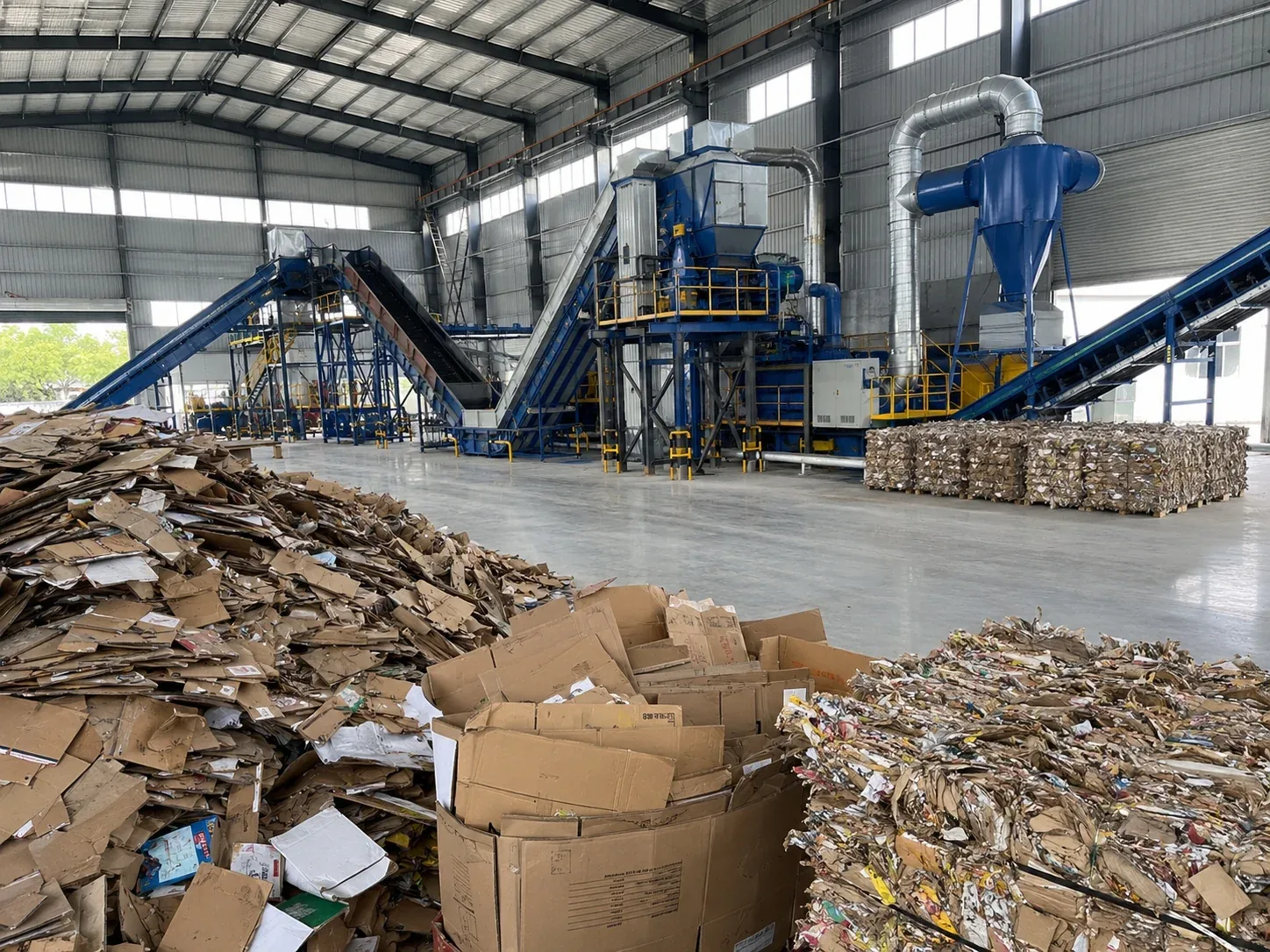
Waste cardboard recycling machine and OCC recycling plant in an industrial workshop
From bulky cardboard to manageable recovered fiberEach waste cardboard recycling plant is laid out around the actual feedstock, contamination level, workshop and downstream use.
Quick answer

This waste cardboard recycling plant reduces bulky OCC and suitable paper waste, removes ferrous contamination, mechanically opens the paper into a fiber-rich form, controls dust and prepares the material for baling or downstream processing. It is a complete industrial line, not a small cardboard compactor and not a paper-making machine.

What the line is built to do

Waste Cardboard Recycling Machine: From Boxes to Recovered Fiber

The waste cardboard recycling machine is intended for companies that need more than a baler. It reduces bulky cardboard, steadies the feed and opens the paper into a transportable fiber-rich material while removing obvious contaminants that can damage downstream equipment.

  • Reduce large cartons, sheets and opened OCC bales to a manageable feed size.
  • Remove nails, staples and other ferrous pieces before the fiber-opening stage.
  • Use metered conveying to avoid sudden overload and unstable line output.
  • Capture dust around shredding and dry fiber separation points.
  • Discharge loose material or add an automatic baler for storage and transport.
Important: the immediate product is mechanically opened, fiber-rich recycled material. Its suitability for direct paper production depends on the incoming paper grade, moisture, adhesives, plastic film and the buyer’s downstream stock-preparation process.
OCC cardboard recycling project with conveyors dry fiber processing and baling equipment
System scope

What Makes It a Complete Waste Cardboard Recycling Plant?

A “waste cardboard recycling machine” may refer to a single cutter, shredder or baler. Here it means a complete waste cardboard recycling plant in which the receiving, shredding, separation, fiber-opening and baling stages are designed to work together. OCC is the main feedstock, but suitable cartons, kraft paper and selected paper-mill waste can also be processed.

Complete material handling

Receiving, bale opening, inspection, conveying and buffer storage must be planned with the processing machines. In practice, irregular feeding causes more lost capacity than the shredder itself: loose boxes can bridge in a hopper, while dense bales can release sudden surges of material.

Dry mechanical fiber opening

The system opens the paper structure mechanically and does not include a conventional wet pulper, process-water loop or complete paper-making section. Downstream paper-mill preparation may still be required.

Output matched to the buyer

The discharge can remain loose or be baled. Sorting intensity, light-reject removal and final handling should be based on the acceptance requirements of the recovered-material buyer.

Reference project layouts

Three Waste Cardboard Recycling Plant Layouts

These project views show how a waste cardboard recycling plant can be arranged for loose boxes, compressed bales or suitable paper-mill waste. The final layout is confirmed after the feed route, storage area, service access and finished-material handling are reviewed.

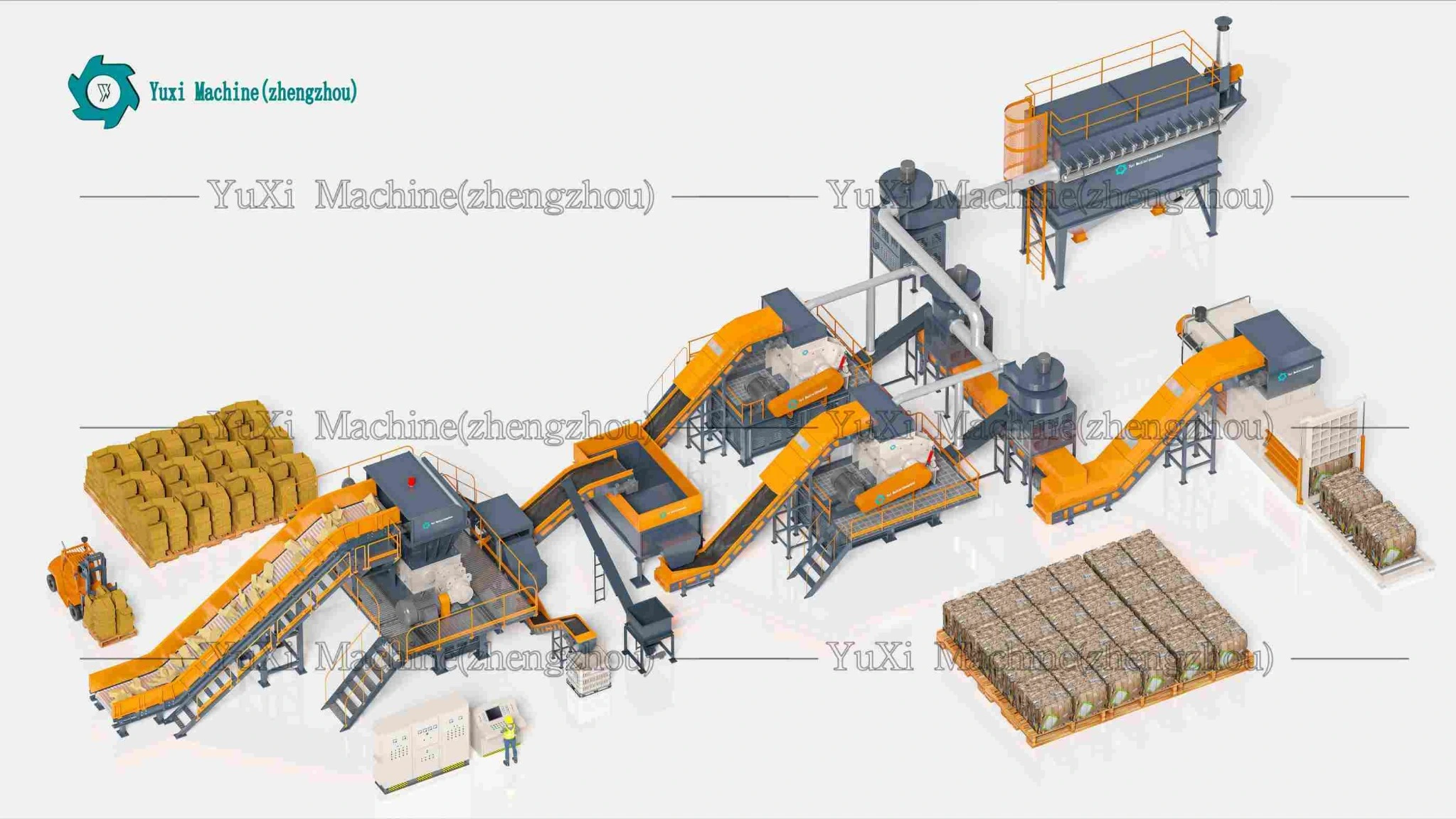
Complete waste cardboard recycling machine and OCC recycling plant
Complete line

Loose cardboard feeding and baled output

An integrated arrangement for receiving loose OCC, reducing the material, controlling paper dust and preparing dense bales for storage.

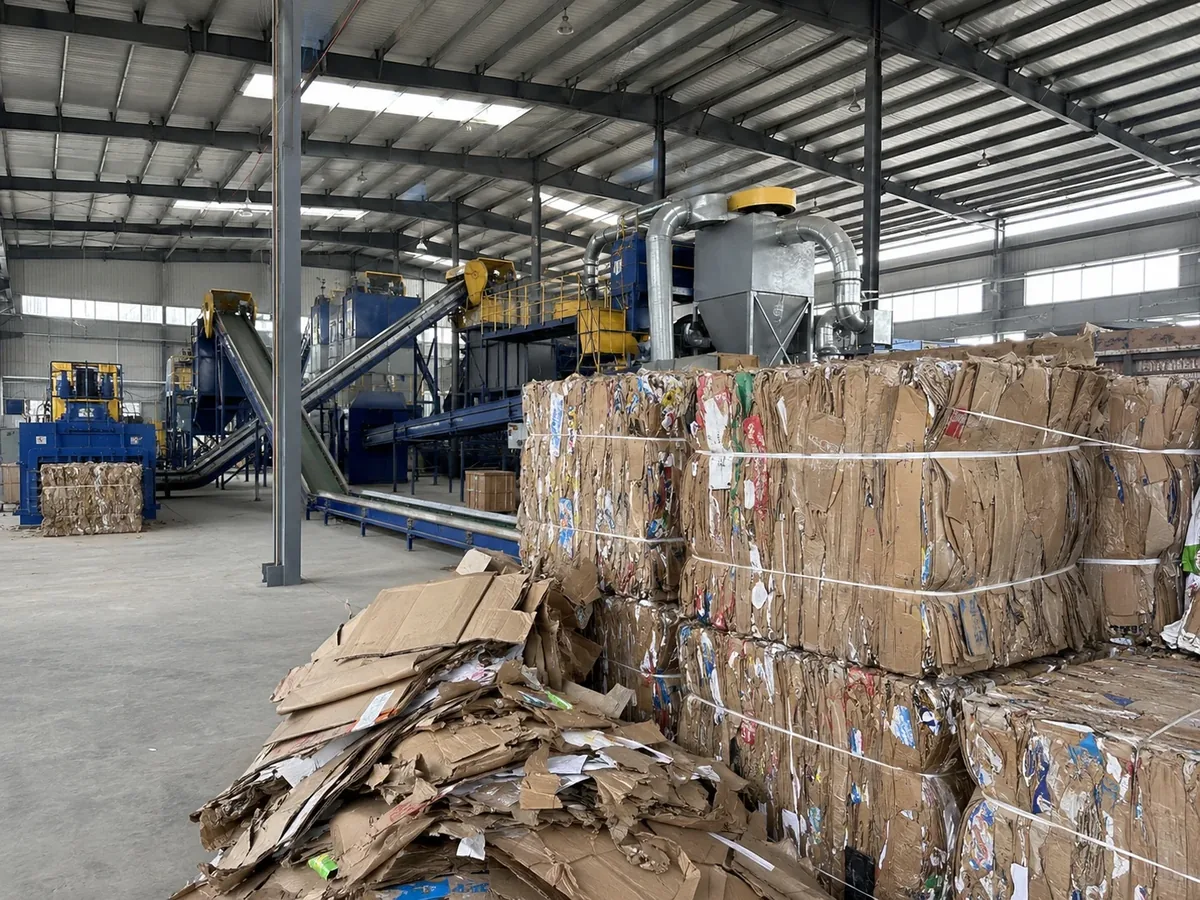
OCC cardboard recycling project with compressed bales and conveyors
Baled OCC

Front end designed around compressed feed

When feedstock arrives in bales, the receiving conveyor, bale opening and inspection area must prevent wire and large contaminants from entering the shredder.

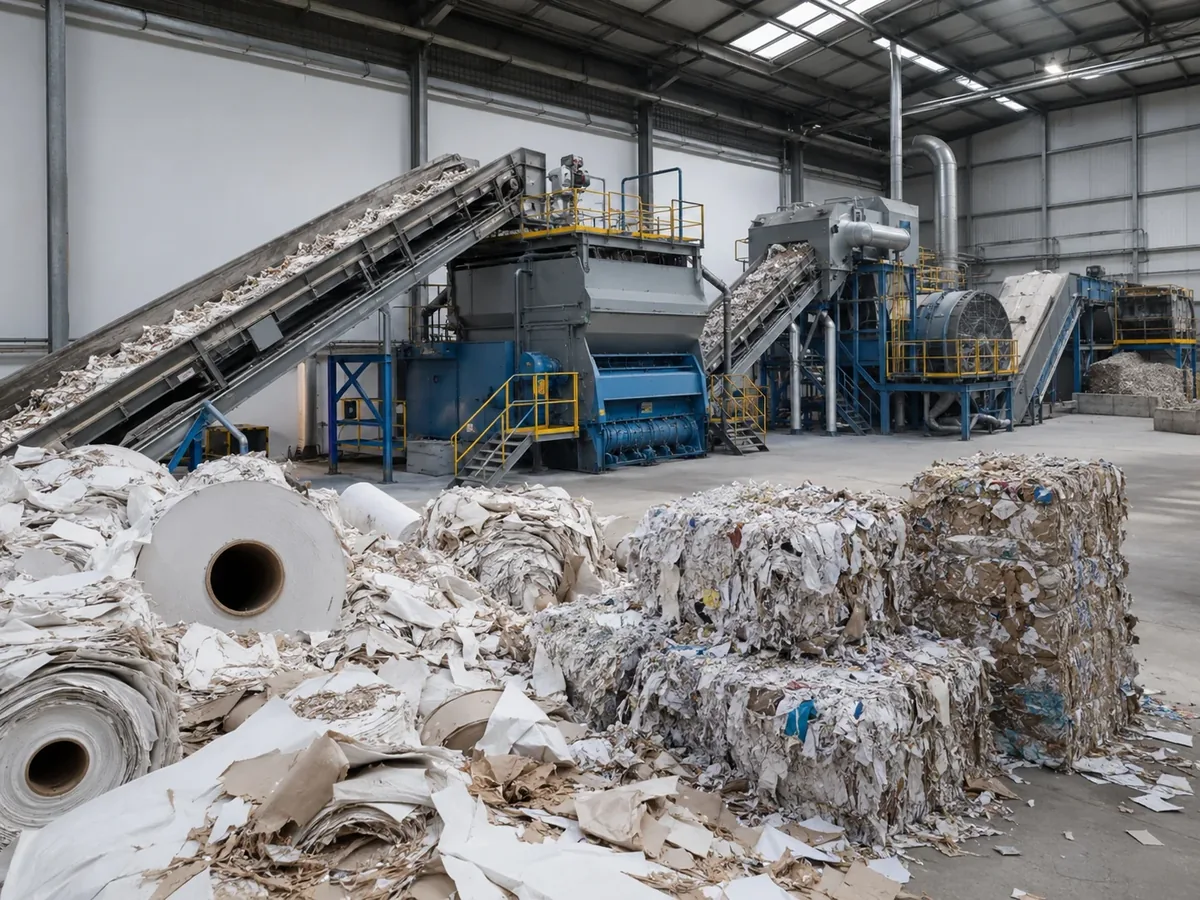
Paper mill waste and mixed paper recycling machine line
Alternative feed

Paper-mill trim and suitable mixed paper

A different shredding and separation arrangement may be used for lighter production trim, roll waste or selected mixed paper grades.

Working video

See a Waste Cardboard Recycling Plant in Operation

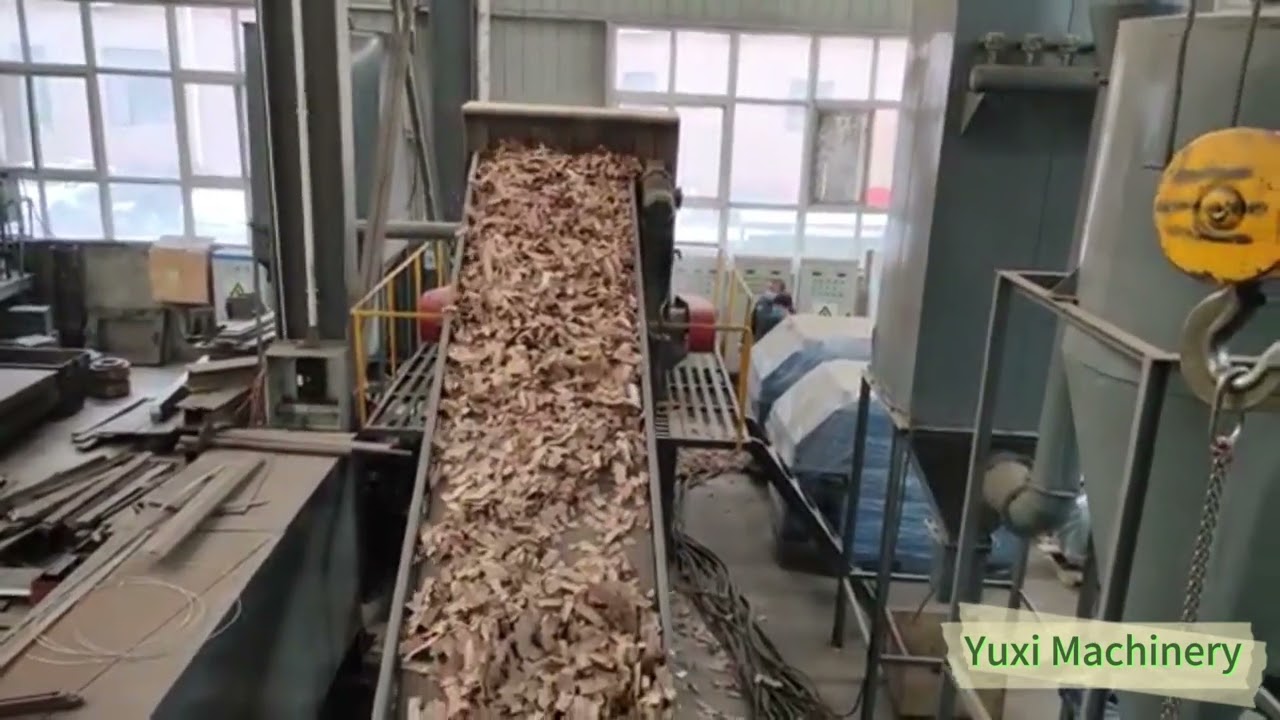
The video shows the scale of the waste cardboard recycling machine, the conveyor connections and the way material moves through the plant. The equipment arrangement is a useful reference, although the final line still depends on the customer’s feedstock and workshop.

  • Observe how bulky cardboard is transferred between processing stages.
  • Check the access platforms, enclosed sections and dust-control ducting.
  • Compare the arrangement with your available workshop length and clear height.
OCC recycling plant and waste cardboard recycling machine working video
Feedstock

Materials the Waste Cardboard Recycling Machine Can Process

Dry, reasonably sorted paper grades give the waste cardboard recycling machine the most stable feed and the most predictable output. Wet, waxed, heavily laminated or food-contaminated materials should be tested before the plant is configured.

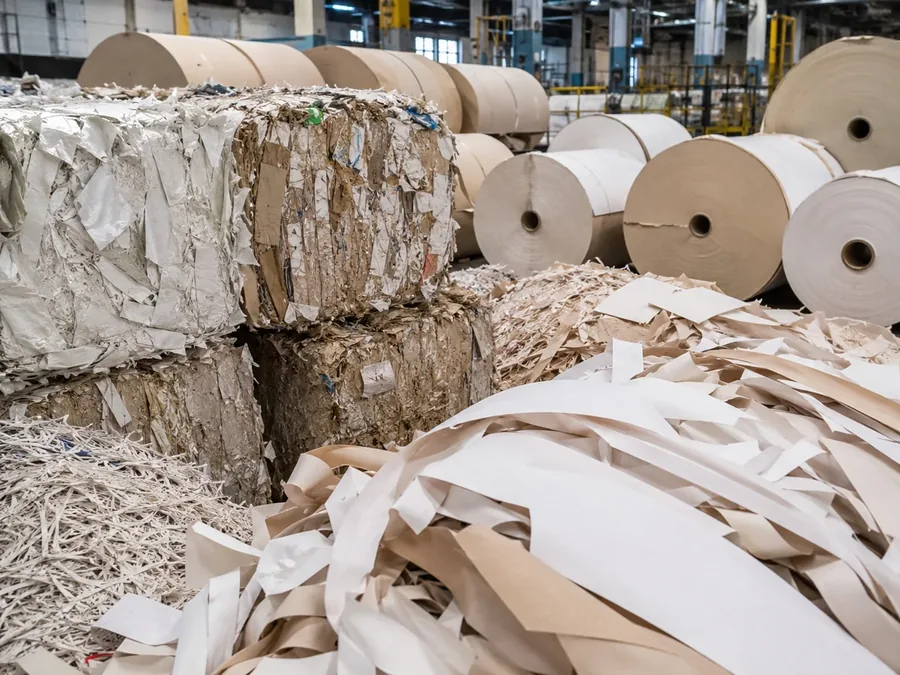
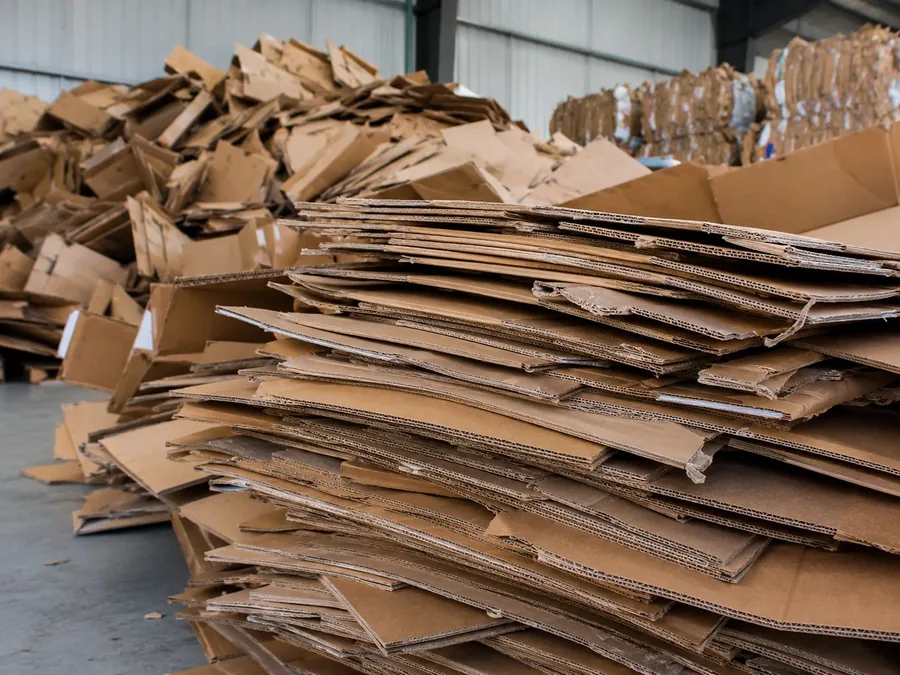
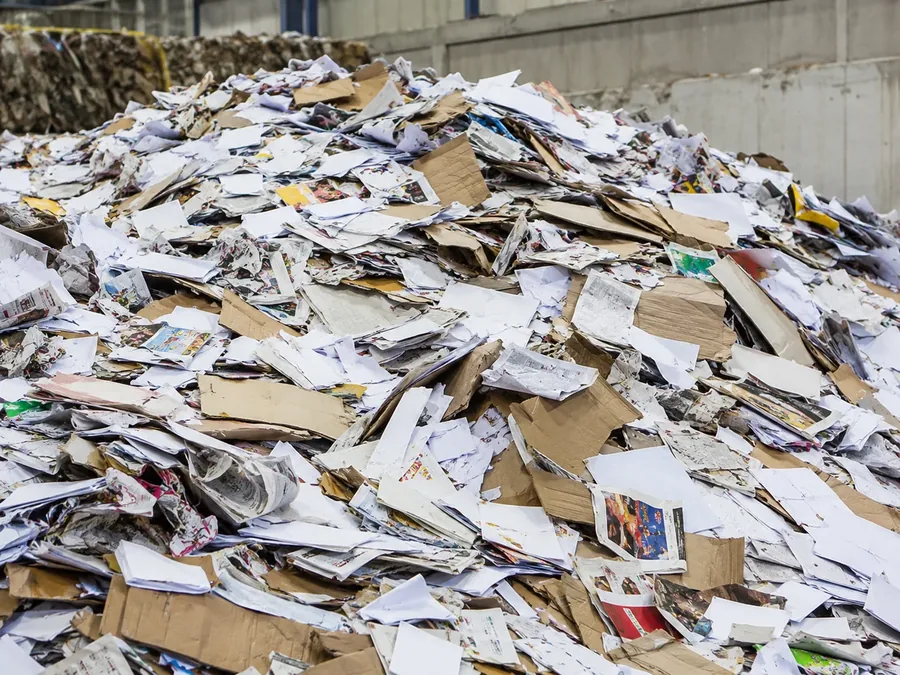
Old corrugated containers OCC cardboard for recycling

Old Corrugated Containers

Flattened OCC, corrugated sheets and warehouse cardboard are the main target feed.

Best fit
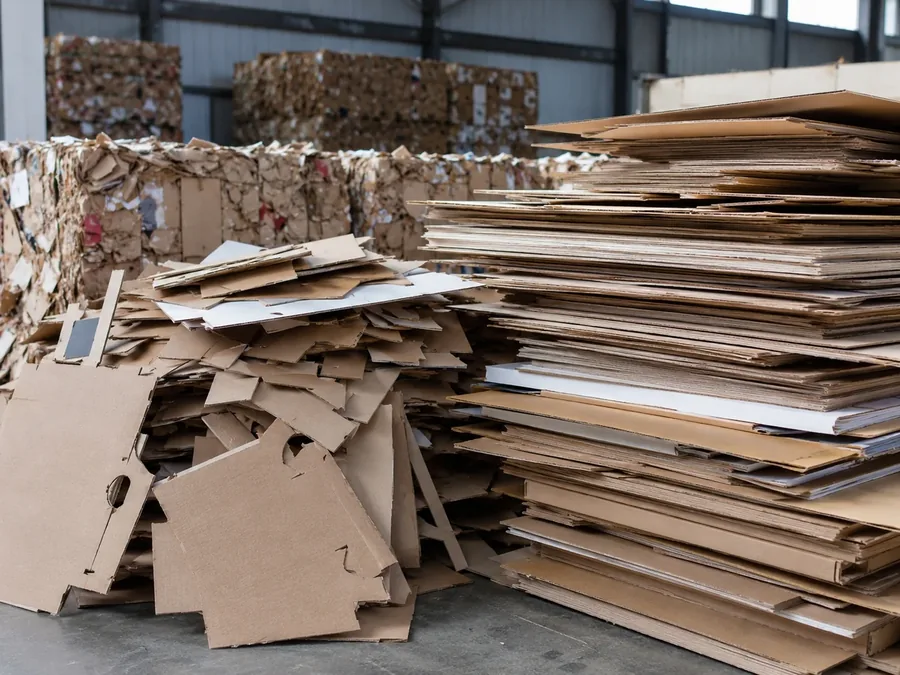
Waste cardboard boxes for a cardboard waste recycling machine

Waste Cardboard Boxes

Loose boxes can be fed after basic inspection and removal of large non-paper items.

Common feed
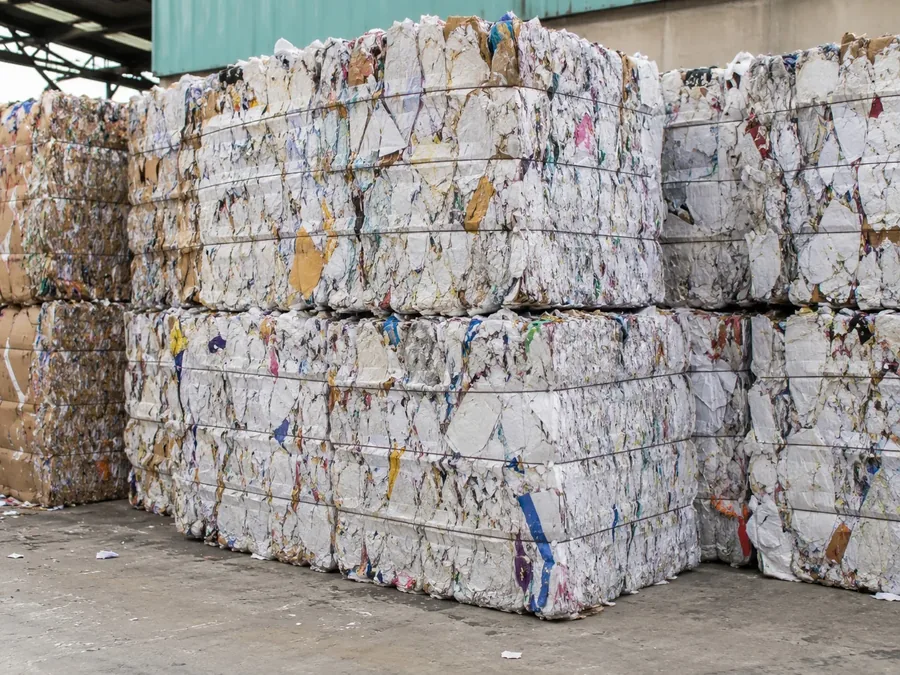
Baled waste paper and cardboard for an OCC recycling plant

Baled Waste Paper

A bale opener or controlled breaking stage may be added before continuous conveying.

Optional bale opening
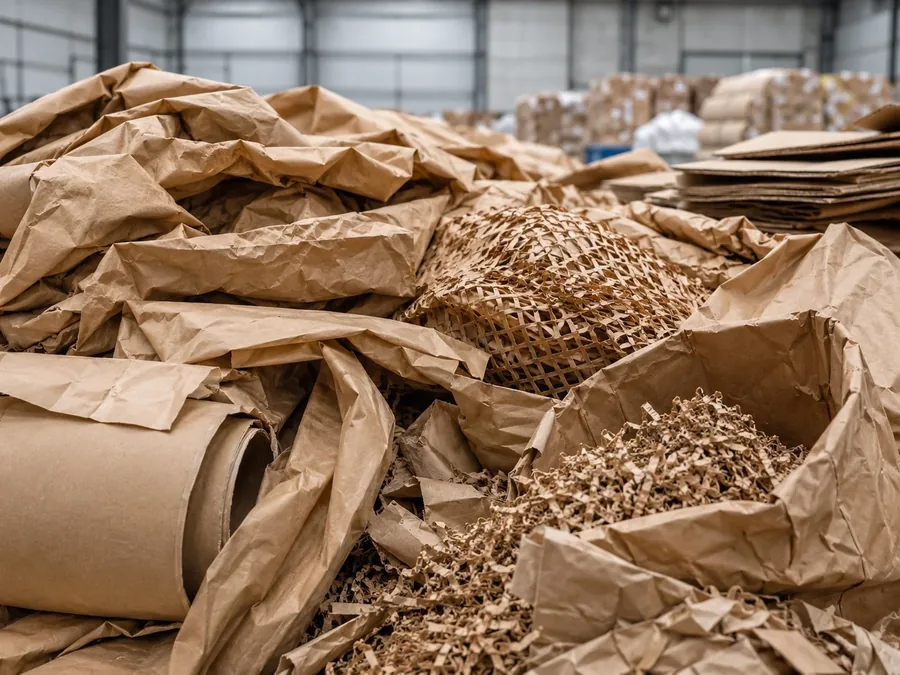
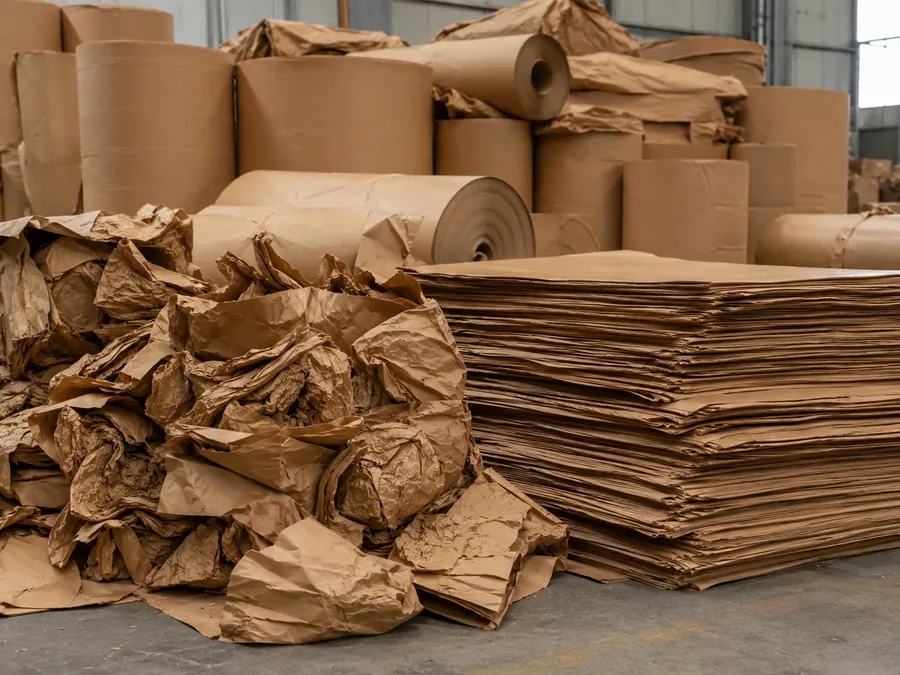
Kraft paper waste suitable for dry paper recycling

Kraft Paper Waste

Packaging kraft, kraft trim and suitable clean production offcuts can be processed.

Good fiber source
Mixed paper waste for sorting and recycling

Mixed Paper Waste

Mixed grades need closer sorting because coatings, film and non-paper content affect output.

Test first
Paper mill waste and trim recycling material

Paper-Mill Trim and Rejects

Suitable dry trim and production waste may use a different shredder and separator arrangement.

Material-dependent
Process flow

How the Waste Cardboard Recycling Plant Works

The exact sequence changes with the feedstock, but most waste cardboard recycling plant projects use the following stages. OCC bales may need a stronger front end, while clean production trim can often use a simpler feeding arrangement.

Feeding

A chain or belt conveyor accepts loose cardboard or material released from opened bales.

Bale Opening & Sorting

Large plastic, ropes, wood, stones and other visible contaminants are removed before shredding.

Metal Removal

A magnetic separator removes ferrous pieces such as staples, wire and small steel parts.

Metered Conveying

A buffer and controlled conveyor reduce surges and keep the dry opening stage consistently loaded.

Dry Fiber Opening

Mechanical action separates and loosens the paper structure without a conventional wet pulper loop.

Dust Control

Enclosed transfer points and a collection system capture paper dust from the main processing area.

Fiber Baling

The recovered fiber-rich material is collected and compressed for easier storage or transport.

Waste cardboard recycling plant working principle flow diagram
Equipment configuration

Core Machines and Optional Modules

A waste cardboard recycling plant is selected by function rather than by copying one fixed equipment list. Machine width, drive size, conveyor speed and dust-control capacity are matched after the actual material and feeding method are reviewed.

01

Feeding Conveyor

Provides controlled loading and can be arranged for loader, forklift or manual feeding.

02

Bale Opener / Pre-sorting

Recommended when compressed OCC bales or higher contamination levels are expected.

03

Double Shaft Shredder

Primary size reduction for boxes, corrugated sheets and irregular bulky paper waste.

04

Magnetic Separator

Protects downstream equipment by removing ferrous pieces after primary shredding.

05

Dry Pulping / Fiber Opener

Mechanically opens the shredded paper into a looser fiber-rich form.

06

Dust Collection System

Connects to enclosed processing and transfer points to improve housekeeping.

07

Light Reject Separation

An optional stage for projects containing film, labels and other lightweight contamination.

08

Automatic Baler

Compresses the recovered material when dense, stackable output is required.

Project sizing

What Determines the Waste Cardboard Recycling Plant Design?

A plant built for loose, dry cardboard will not perform the same way when it is fed dense bales, wet paper or heavily taped boxes. Capacity, power and footprint therefore need to be based on the feedstock and the way it enters the line—not on the nominal rating of one machine.

Project inputWhy it mattersDesign decision
Loose or baled cardboardBales need opening and can create uneven feed surges.Bale opener, receiving conveyor and buffer size.
Moisture levelWet paper is heavier, harder to open and less predictable in dry processing.Acceptable feed condition and test requirement.
Plastic, tape and wireContaminants affect wear, separation and the value of the recovered material.Sorting, magnetic separation and optional air separation.
Required throughputHourly targets must be based on sustained feed rather than a single machine’s nominal rating.Machine width, drive power, conveying and dust-system sizing.
Final useLoose fiber, baled feedstock and direct mill supply have different handling needs.Opening intensity, screening, discharge and baling arrangement.
Workshop dimensionsHeight, maintenance access and forklift routes can limit the preferred layout.2D layout, platform height and conveyor direction.
Recovered material

Output Handling and Downstream Use

The waste cardboard recycling machine can discharge loose fiber-rich material or feed an automatic baler. Before the line is finalized, the buyer should confirm the required material condition, bale density and downstream acceptance standard.

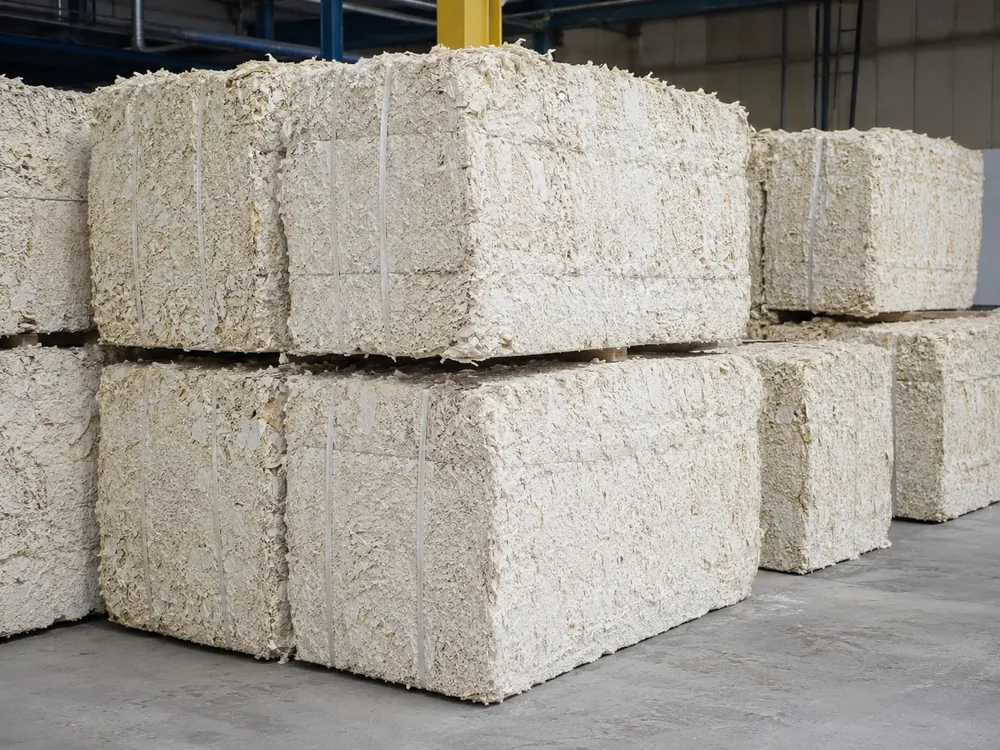
Baled recovered fiber material from waste paper recycling

Baled fiber-rich material

Baling reduces storage volume and simplifies warehouse handling. Bale dimensions and density depend on the selected baler and the condition of the recovered material.

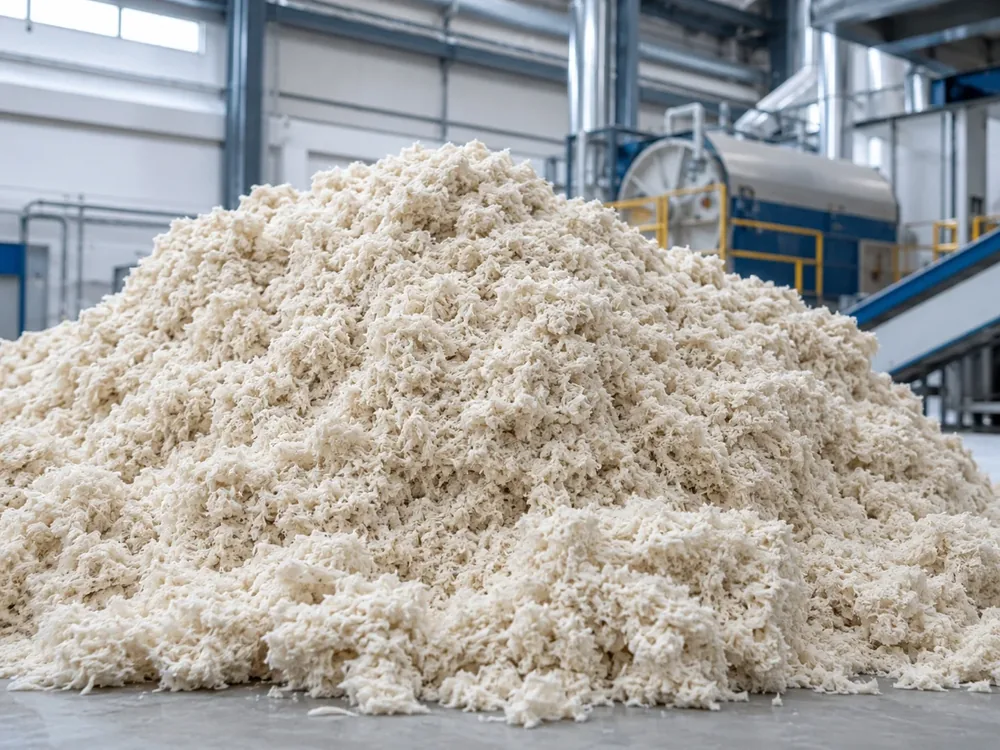
Mechanically opened reusable cellulose fiber material
Mechanically opened material for evaluation by the downstream user.
Recycled paper material prepared as downstream feedstock
Downstream suitability depends on paper grade and contamination.
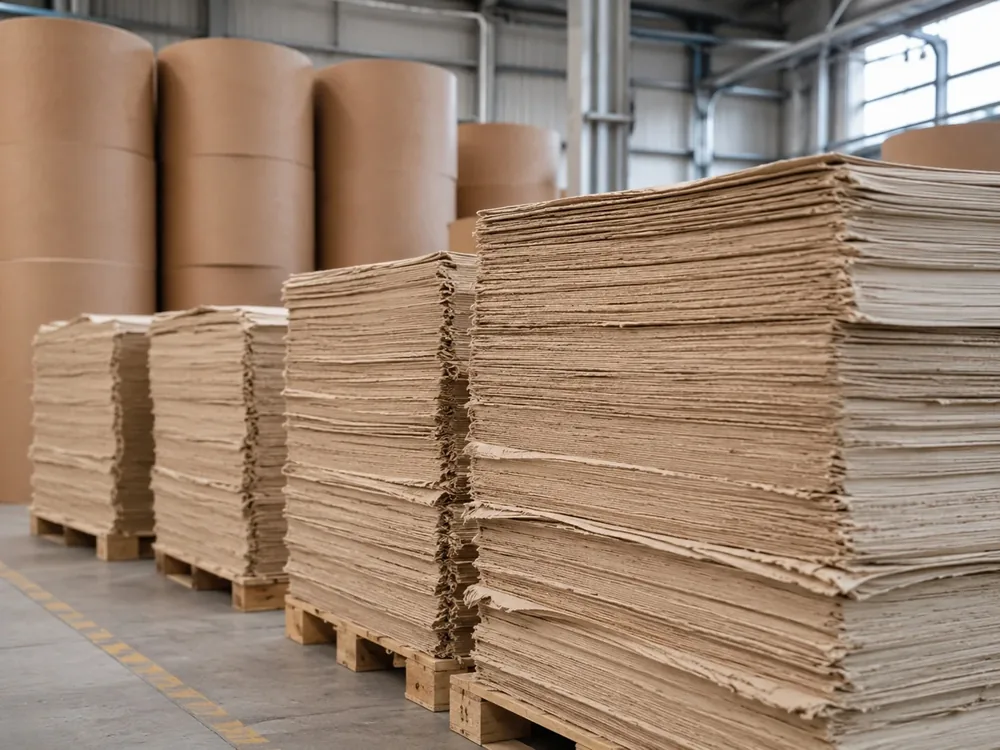
Packaging paper waste suitable for OCC and cardboard recycling
Clean packaging paper and corrugated waste generally provide a more consistent recovered material.
Practical project guidance

Common Problems to Solve Before Ordering

Cardboard bridges above the shredder

Very light, folded boxes may not fall evenly. Hopper geometry, pressing devices and controlled conveyor loading should be considered.

Quoted capacity is not sustained

A large shredder does not guarantee a high plant output. Capacity should be discussed using the customer’s actual paper grade, bale condition and feeding method.

Too much film and tape in the output

Pre-sorting and optional light-reject separation are more effective than expecting the shredder to solve contamination by itself.

Dust escapes at transfer points

The dust collector must be designed together with enclosures, pickup points and duct routing—not added as an isolated accessory.

Wet material enters the dry line

Moisture changes weight, flow and fiber opening. Store feedstock under cover and provide representative samples before sizing.

The fiber buyer rejects the product

Confirm the downstream user’s requirements before ordering. The required sorting and opening level depends on where the recovered material will go next.

Get a Configuration Based on Your Cardboard Waste

Send several material photos, the form in which the cardboard arrives and the available workshop dimensions. The engineering team can then configure the waste cardboard recycling plant from the receiving conveyor through shredding, separation, fiber opening, dust collection and baling.

Helpful project information
  • Loose material or compressed bales
  • Typical cardboard and contamination photos
  • Estimated hourly or daily amount
  • Workshop length, width and clear height
  • Expected loose or baled output
  • Final use of the recovered material
FAQ

Waste Cardboard Recycling Machine & Plant FAQs

What is the difference between a waste cardboard recycling machine and a recycling plant?

A single machine may only shred or bale cardboard. A complete waste cardboard recycling plant combines feeding, sorting, shredding, metal removal, dry fiber opening, dust collection and output baling. OCC recycling plant is another common name for this type of system.

Can this cardboard waste recycling machine process baled OCC?

Yes, but compressed bales normally require controlled opening and inspection before continuous feeding. The front-end arrangement depends on bale size, wire, density and contamination.

Does the waste cardboard recycling plant produce finished paper pulp?

It produces mechanically opened, fiber-rich material. Whether that material can enter paper production directly depends on its grade, moisture, contaminants and the paper mill’s downstream preparation system.

Can mixed paper waste be processed?

Some mixed paper can be processed, but heavily coated, laminated, wet or contaminated material should be tested. Extra sorting or separation equipment may be necessary.

What capacity is available?

Capacity is configured after the feedstock and feeding method are reviewed. A useful proposal should state the material condition behind the estimate, because loose dry boxes, wired OCC bales and wet mixed paper do not move through the same waste cardboard recycling machine at the same rate.

Is this a dry pulping line?

It uses mechanical dry fiber opening rather than a conventional hydrapulper and process-water loop. The exact opening, screening and separation stages depend on the intended downstream use.

Can the line replace a complete paper mill stock-preparation system?

No. It prepares a dry, fiber-rich recovered material. A paper mill may still require wet pulping, screening, cleaning and other stock-preparation stages before the material enters paper production.

What information is needed for a waste cardboard recycling plant quotation?

Provide material photos, whether it is loose or baled, estimated throughput, contamination, workshop dimensions, available power supply and the intended use of the recovered output. These details are enough to prepare an initial waste cardboard recycling plant layout.

Waste Cardboard Recycling Machine & Plant Cluster
Shredder Machine Expert

Speak To Our
Shredder Machine Expert

Get in touch with our nice team today to get a price estimate for a shredder machine.

Contact Us

Submit Your Inquiry

zhengzhouyuxi@yuximachine.com
+86-13674998188
WhatsApp:+86 13674998188