


Feed Inspection & Metering
Remove large non-paper items and control the feed rate. Books, paper bundles and light loose paper do not behave the same way in a hopper or conveyor.

 EnglishEnglish
 Fast Delivery
 Reliable
 Certified
 Experienced
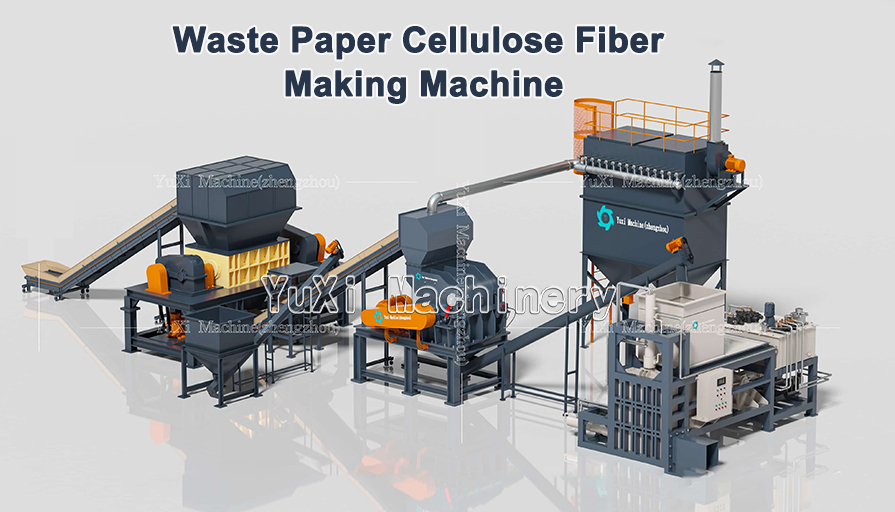
A waste paper cellulose recycling line, including the required waste paper cellulose fiber making machine stages, mechanically prepares selected dry paper waste into an opened, cellulose-rich fiber material. The typical route combines controlled feeding, primary size reduction, ferrous-metal removal, secondary fiberizing, enclosed transfer and dust collection. The line should be selected around the incoming paper grade and the fiber condition required by the downstream user—not around a generic machine name.
This is more than a paper shredder. A waste paper cellulose fiber making machine is part of a connected process in which each stage protects the next one: the shredder stabilizes the feed, the magnet removes exposed ferrous pieces, the fiberizing stage opens the paper structure, and the conveying and dust-control system keeps material transfer manageable.
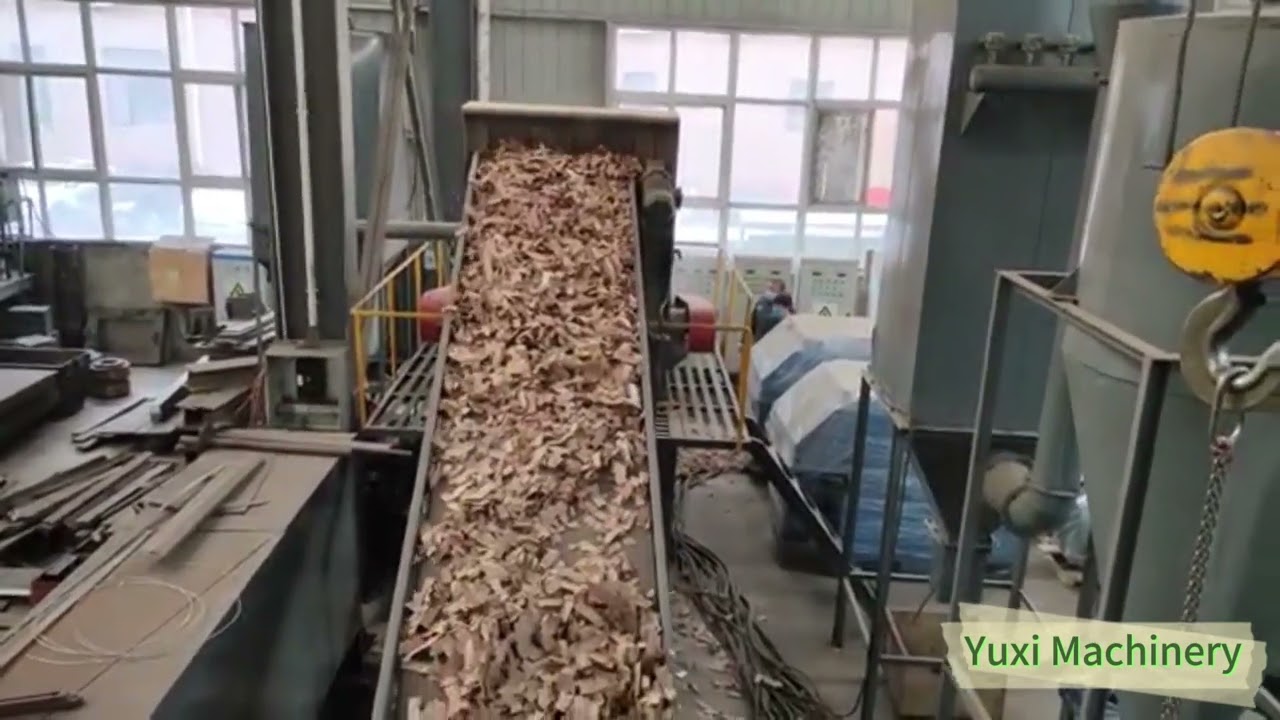
This working-line video is useful for more than confirming that the equipment runs. Look at how shredded paper is presented to the next stage, whether transfer points are enclosed, where operators can access screens and wear parts, and whether material surges are being controlled.
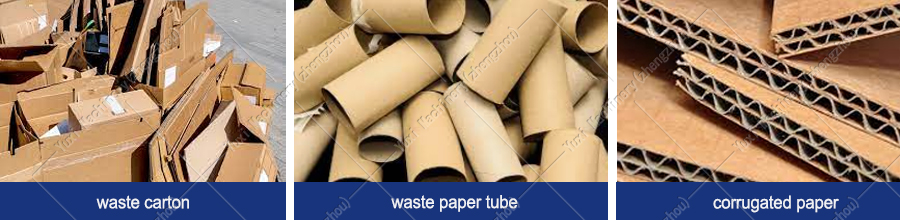
Paper type matters because moisture, coatings, glue, plastic layers, bindings and metal contaminants change both line stability and the final fiber condition. A representative material sample is more useful than a broad label such as “mixed paper.”
| Feed material | General fit | What must be checked |
|---|---|---|
| Newspapers and magazines | Typical candidate | Moisture, coatings, inserts and mixed non-paper items. |
| Books and printed paper | Preparation required | Bindings, covers, glue, staples, clips and paper grade. |
| Paper production trim | Often consistent | Roll/sheet form, coating, moisture and feed dimensions. |
| Office and commercial paper | Material-dependent | Plastic sleeves, labels, clips, laminated sheets and mixed grades. |
| Selected cartons / corrugated paper | Conditional | Tape, wax, laminates, adhesives and whether the real objective is fiberizing rather than simple OCC recovery. |
| Wet, waxed or heavily plastic-laminated paper | Test before selection | Dry mechanical processing may become unstable or produce an unacceptable fiber stream. |
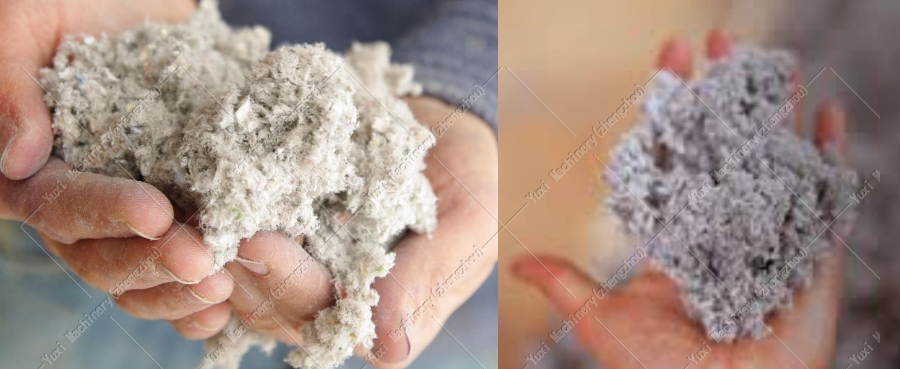
“Cellulose fiber” is not one universal product. A buyer may care about fiber structure, fines, residual paper pieces, moisture, non-paper contamination, bulk behavior or compatibility with a downstream formulation. Those requirements should be converted into an acceptance target before equipment selection.
The secondary fiberizing stage should open the paper enough for the intended use without creating unnecessary fines.
Staples, wire, plastic film, laminated pieces, glue-rich fragments and other non-paper content can reduce downstream value.
Wet feed changes mass, flow and fiberizing behavior. A stable incoming paper stream gives a more repeatable output.
When the fiber is sold or transferred to another process, have the receiving user approve a representative sample before finalizing the line.
The YUXI process combines primary shredding, ferrous removal and secondary fiberizing, with enclosed conveying or pneumatic transfer selected according to the project. Optional additive dosing should only be included when the downstream recipe and responsibility are clearly defined.
Remove large non-paper items and control the feed rate. Books, paper bundles and light loose paper do not behave the same way in a hopper or conveyor.
A suitable double shaft shredder or other verified primary size-reduction stage breaks bulky paper into a more manageable feed for separation and fiberizing.
An over-band magnetic separator can remove exposed ferrous items such as staples and wire fragments. Upstream inspection is still needed because a magnet cannot remove every hidden contaminant.
A hammer-mill or fiberizing stage further opens the paper structure. Screen/opening configuration and feed condition influence the resulting material.
Sealed conveyors, screw conveying or pneumatic transfer can reduce uncontrolled material escape. Depending on fiberizing duty, transfer method and layout, extraction and collection points may be required and should be engineered with the mechanical line.
The opened fiber is transferred to the next process or handling stage. Additive weighing and feeding are optional and should follow a verified downstream formulation.
A reliable line is selected by process function. The correct combination changes with the paper grade, feed form, target capacity, required fiber condition, dust-control strategy and downstream interface.
Controls how loose paper, books, bundles or production trim enters the primary shredder and reduces sudden feed surges.
Reduces bulky material and exposes embedded staples or wire so the downstream separator and fiberizer receive a more controlled feed.
Removes exposed ferrous material before secondary processing. Magnet position and material presentation affect separation performance.
Performs secondary mechanical opening. The configuration should be selected from representative material and required fiber condition.
May use sealed belt/chain conveying, screw conveying or pneumatic transfer depending on the material state and plant arrangement.
Where the process requires it, capture points, duct routing, airflow and collector selection should be engineered with the mechanical line rather than treated as a universal fixed module.
Only specified when a confirmed downstream formulation requires controlled additive addition; it is not a default module for every paper-fiber project.
Start/stop sequence, overload response, emergency-stop zoning and access protection should be reviewed for the actual line layout.
Capacity should be discussed using the customer’s actual paper—not only a model label. The same machine can behave differently with loose newspaper, bound books, dense paper bundles, damp feed or a finer fiber requirement.
The line prepares fiber-rich material; the downstream application determines the final specification. Do not assume that one fiber setting is suitable for insulation, asphalt, filling and every other use at the same time.
Selected paper can be mechanically opened for downstream processors that define their own acceptance requirements for fiber condition, cleanliness and moisture.
Buyer specification requiredRecycled paper is used in cellulose-insulation manufacturing, but the finished product requires application-specific treatment and performance compliance. The fiberizing line alone does not establish fire, health or building-code performance.
Downstream formulation and compliance requiredFiber can be evaluated for selected construction formulations where the downstream processor specifies particle condition, dosage and contamination limits.
Application testing requiredSuitability depends on cleanliness, bulk behavior, dust level, fiber structure and any downstream treatment. Representative samples should be approved before equipment is finalized.
End-use approval requiredFor U.S. loose-fill thermal insulation, ASTM C739 covers chemically treated recycled cellulosic fiber loose-fill insulation. That is a downstream product requirement—not a performance claim for the recycling line itself.
A technically sound quotation should connect incoming material to the required output. These factors have more practical value than generic claims such as “high efficiency” or “dust free.”
Different papers contain different fibers, coatings, fillers, glue systems and wet-strength additives.
Moisture affects feed weight, conveying, shredding and how readily paper opens in secondary processing.
Film, plastic-lined paper and laminated covers can remain as contamination or wrap around rotating equipment.
Staples and exposed wire can be magnetically removed, but hidden metal still makes pre-inspection important.
The first stage should create a stable feed for separation and fiberizing rather than simply chase the smallest particle size.
Mechanical opening intensity and screen configuration influence residual pieces, fines and the resulting fiber structure.
Consistent loading gives the downstream equipment a better chance to operate within a repeatable working range.
Fine material handling and extraction affect housekeeping, air transport behavior and the cleanliness of the process area.
The “best” output is the one that meets the receiving process—not simply the finest-looking fiber sample.
If the downstream user has not defined acceptable fiber condition, the supplier cannot responsibly finalize the secondary fiberizing and screen setup.
A hand-picked clean sample can conceal normal tape, bindings, wet paper, plastic and metal that determine operating stability and cost.
Feeding, separation, fiberizing, conveying and dust collection all have to sustain the same operating rate.
A magnet removes exposed ferrous material; metal buried inside dense paper or bindings may not be presented effectively to the magnetic field.
Pickup points, duct routes, collector position and access need space. Treating dust control as a late accessory can create poor capture and maintenance problems.
Fiberizing waste paper is only part of an insulation manufacturing process. Treatment, formulation, testing and regulatory compliance remain downstream responsibilities.
Dry mechanical processing is most predictable with relatively dry, fiber-rich feed. Difficult grades should be tested before a configuration is committed.
Fiberizing equipment, screens, wrapped contaminants and ducts need service access. A compact layout is not useful if routine maintenance becomes difficult.
Size reduction and dry material handling can generate fine particulate. OSHA notes that handling and size reduction of feedstocks can create combustible dust hazards under certain conditions. Dust collection, housekeeping, ignition-source control and the applicable local safety requirements should be reviewed during plant design; see OSHA guidance.
A reliable project starts with the real material, required fiber output and actual workshop conditions. The useful procurement question is not simply “Can you customize?” but what information is reviewed before equipment is built, tested and installed.
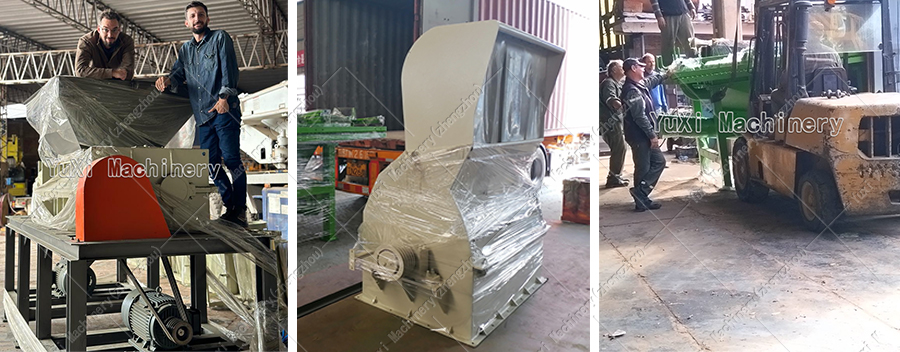
Provide material photos or samples, expected hourly demand, the required fiber condition, workshop dimensions and local power information before the equipment combination is finalized.
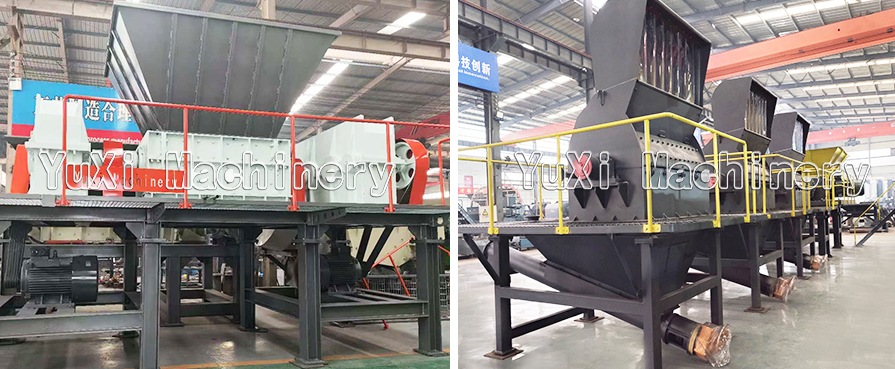
Feed height, conveyor direction, equipment interfaces, service access, any required dust-control connections and control scope should be checked against the approved layout before delivery.
YUXI company information confirms factory-based production, material analysis, complete recycling-line layouts, model recommendation and video factory inspection as available project-support capabilities. See YUXI manufacturing capabilities.
A useful quotation should explain what the proposed configuration is based on. Sending the following information reduces the risk of selecting the wrong shredder, fiberizer, air system or layout.
Include normal contamination and difficult material, not only the cleanest feed.
Loose paper, bound books, sheets, rolls, bundles and cartons require different handling.
Describe metal, plastic film, tape, coatings, glue, bindings and wet material.
State the real production target and normal operating hours rather than only a peak number.
Provide a sample, photo or downstream user’s acceptance requirement where possible.
Insulation-related, construction, filling or another application can require different fiber preparation.
Length, width, clear height, access, local voltage/frequency and, where required, space for dust-control equipment.
If dosing is needed, define the recipe responsibility and required dosing interface before equipment selection.
Typical candidates include selected dry newspapers, magazines, books, printed paper, paper production trim and other verified paper grades. Corrugated paper or cartons may also be evaluated when the real objective is mechanical fiberizing. Wet, heavily laminated, waxed or highly contaminated material should be tested before the line is configured.
The usual dry mechanical route uses controlled feeding, primary shredding, ferrous-metal removal, secondary fiberizing and enclosed conveying or pneumatic transfer. The exact equipment sequence depends on the paper grade, feed form, contamination and required final fiber condition.
No. The line can prepare mechanically fiberized recycled paper and may include additive dosing when a verified downstream process requires it. Finished insulation still requires the appropriate formulation, treatment, testing and compliance with the applicable product and building requirements.
An over-band magnetic separator can remove exposed ferrous pieces such as staples and wire fragments after primary size reduction. It should not be treated as a substitute for feed inspection because metal hidden inside dense bindings or material clumps may not be exposed effectively to the magnetic field.
The resulting material can be influenced by the secondary fiberizing configuration, screen/opening setup, feed rate and incoming paper condition. The correct setting should be confirmed against a representative sample and the downstream user’s acceptance requirement rather than by specifying one universal fiber size.
Paper grade, bulk density, moisture, contamination, feed form, primary-shredding load, fiberizing requirement, conveying, magnetic separation and dust-control capacity can all affect sustained throughput. A quoted model rating should therefore be checked against the actual material and complete line balance.
Dry shredding and fiberizing can create fine paper dust. Enclosures, pickup points, duct routing, dust collection, housekeeping and ignition-source control should be reviewed with the mechanical layout and applicable local safety requirements rather than added after the line is built.
Send representative material photos or samples, paper grade and feed form, moisture and contamination, required sustained throughput, target fiber condition, intended downstream use, workshop dimensions, local power supply and any confirmed additive requirement.
Send representative waste-paper photos or samples, your required sustained throughput, the target fiber condition, downstream application and workshop information. YUXI can then evaluate the shredding, magnetic separation, fiberizing, conveying and dust-control configuration against the real process requirement.

Get in touch with our nice team today to get a price estimate for a shredder machine.
Contact Us