


Automotive
Car Radiators
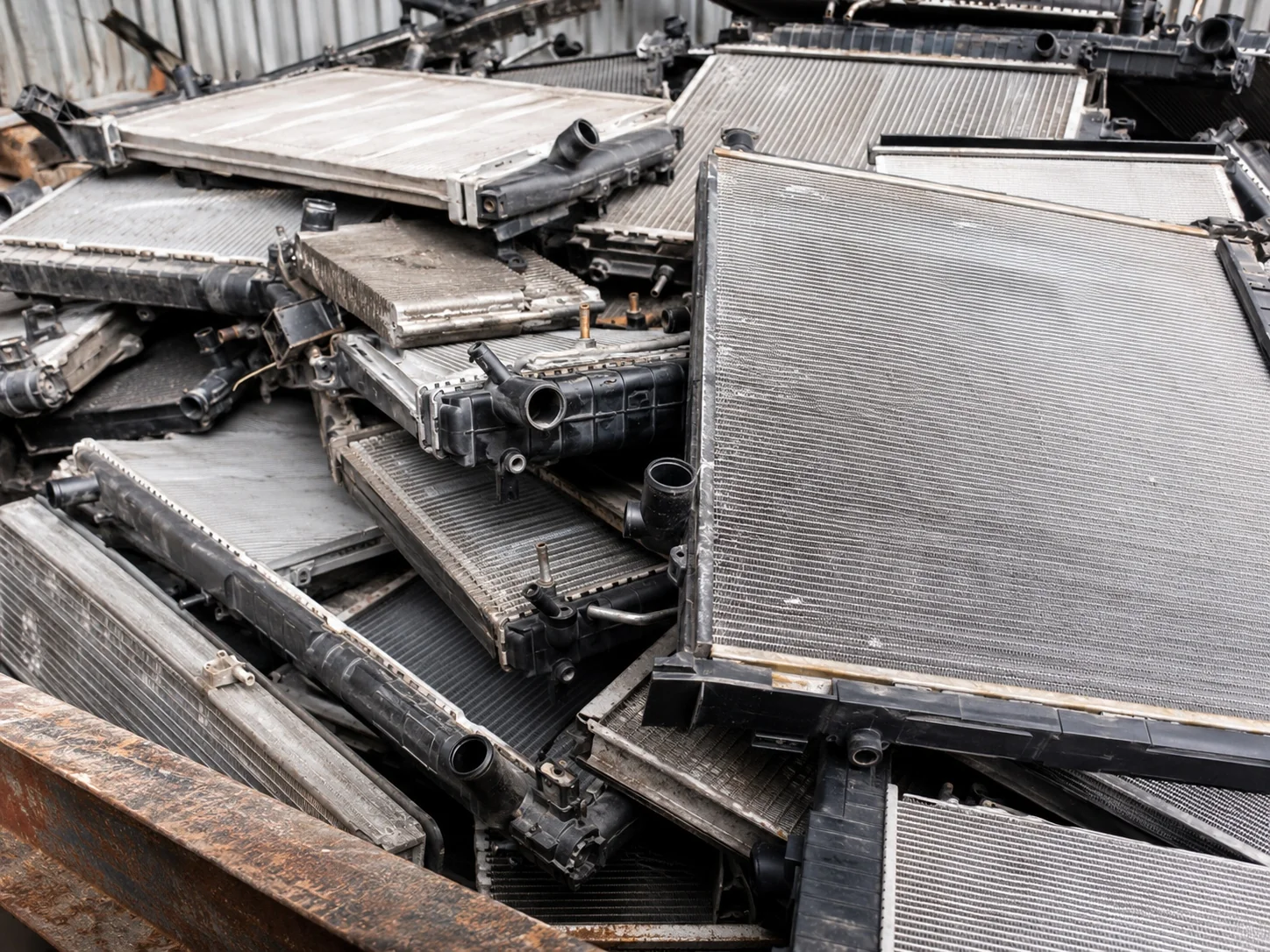
Aluminum or copper-aluminum cores with plastic tanks, steel clips, brackets and mixed fittings.

 EnglishEnglish
 Fast Delivery
 Reliable
 Certified
 Experienced
An integrated radiator recycling machine for car radiators, air-conditioner coils, heat exchangers and mixed radiator scrap. The line reduces bulky feed, removes iron and plastic, liberates attached copper and aluminum, and produces cleaner saleable metal fractions.
It processes complete and pre-dismantled radiator scrap through shredding, crushing and staged separation. The objective is not only to reduce size, but to release copper tubes from aluminum fins, remove ferrous and plastic contamination, and prepare copper-rich, aluminum-rich and other recoverable fractions for resale or refining.
The video shows material feeding, size reduction and separation in a complete radiator recycling system. The final configuration can change with radiator type, plastic and iron content, required throughput and the buyer’s output specification.
For project evaluation, the most useful comparison is not only the machine size. Watch whether the feed moves continuously, whether oversized pieces return to the crusher, and whether the separated fractions remain stable during long runs.
A simple radiator separator normally works best with flat, clean and pre-cut air-conditioner coils. It is less suitable when the feed includes crushed car radiators, plastic side tanks, steel brackets, mixed heat exchangers or heavily deformed material.
This copper aluminum radiator recycling machine is designed around a broader feed window. Primary size reduction prepares bulky scrap. Magnetic and non-ferrous separation remove obvious contaminants. Secondary liberation and gravity separation are then used where copper and aluminum remain attached after the first crushing stage.
The exact configuration changes with tube material, fin density, frame content, plastic percentage, oil contamination and the target output. These are the most common feed categories.
Aluminum or copper-aluminum cores with plastic tanks, steel clips, brackets and mixed fittings.
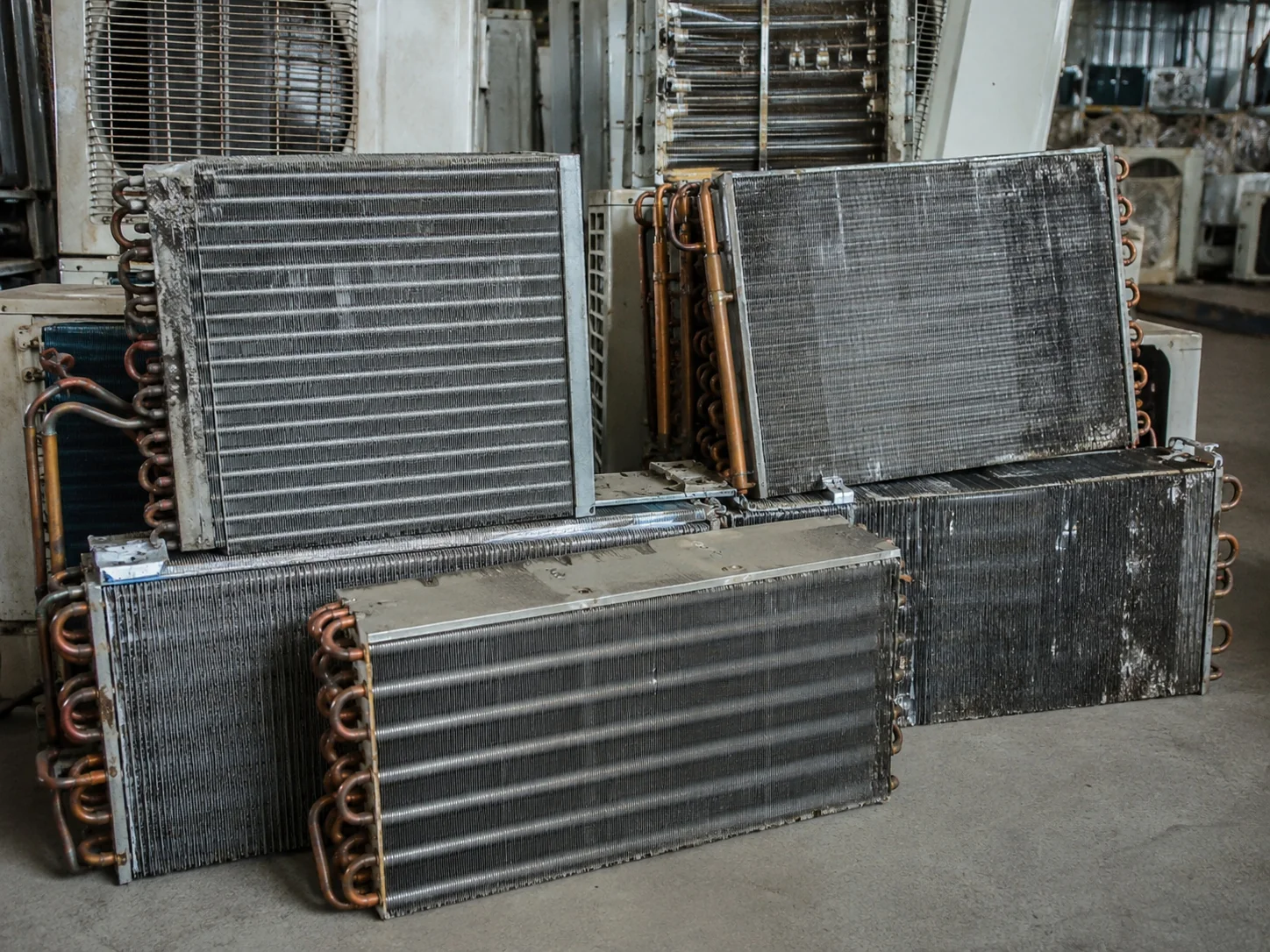
Air-conditioner condensers and evaporator coils containing copper tubes and aluminum fins.
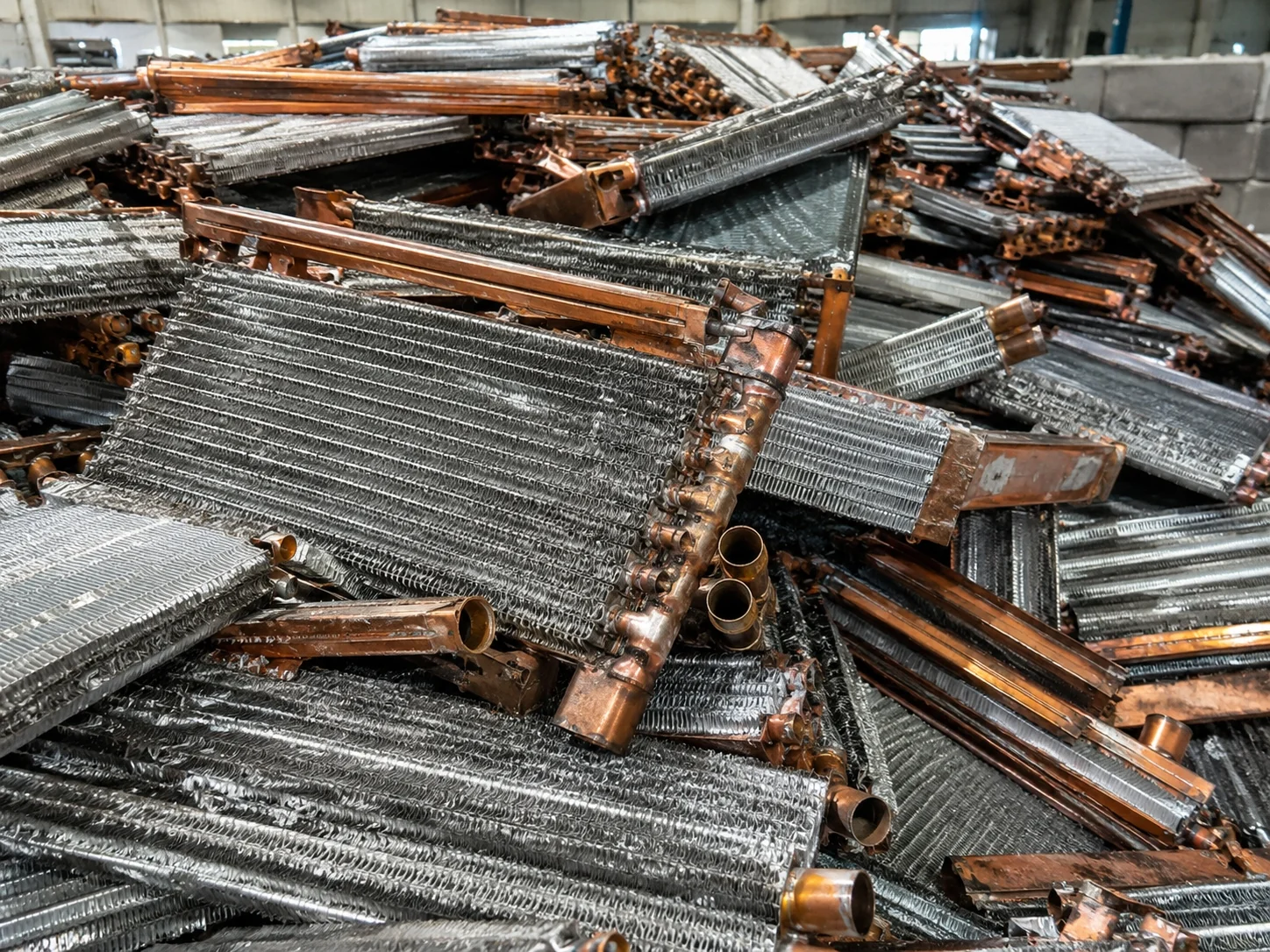
Mixed ACR material where effective liberation directly affects the value of recovered metal.
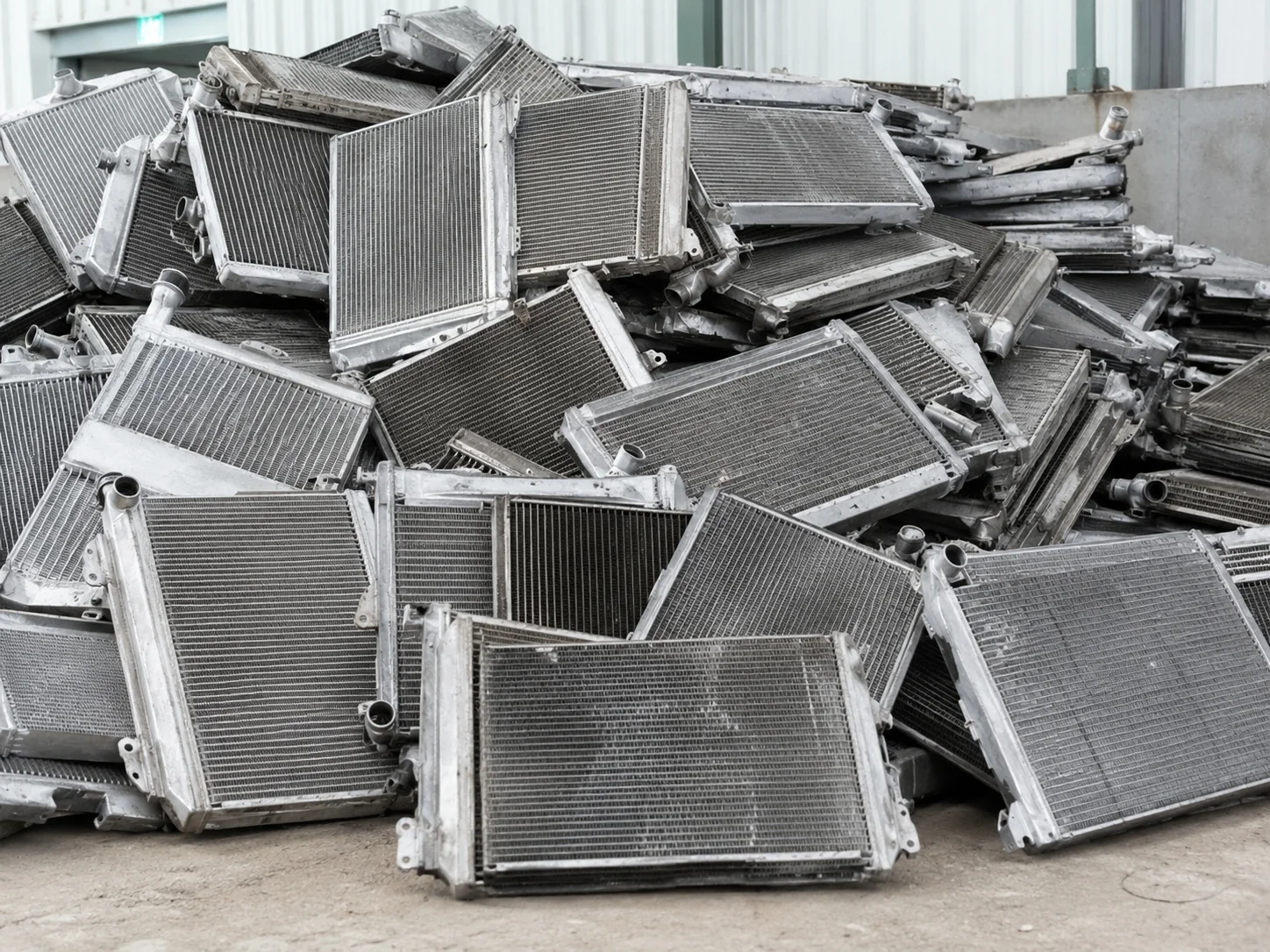
Automotive and industrial aluminum cores that may contain plastic, rubber and ferrous attachments.
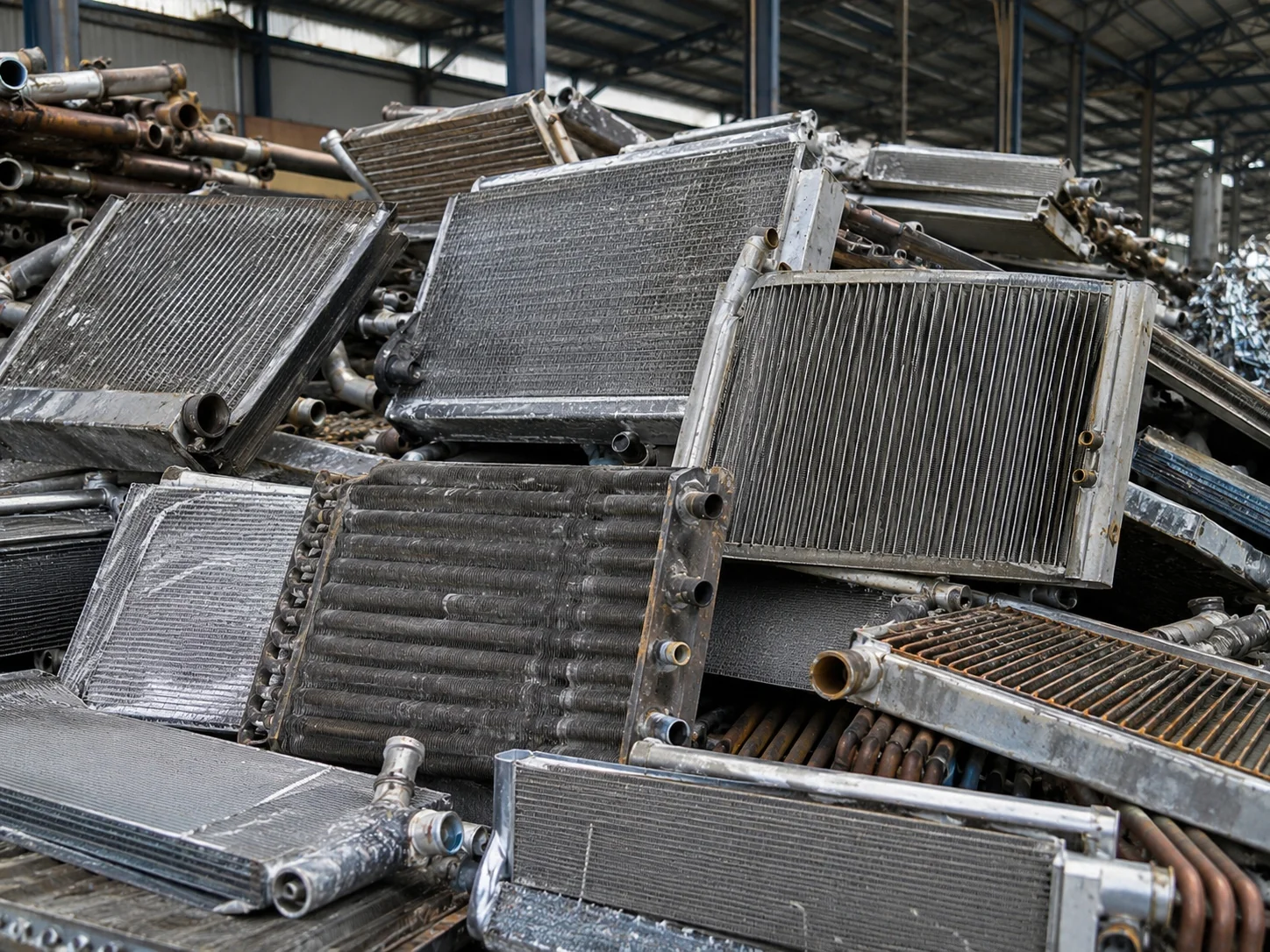
Cooling coils, condensers and heat-transfer units from appliances and industrial equipment.
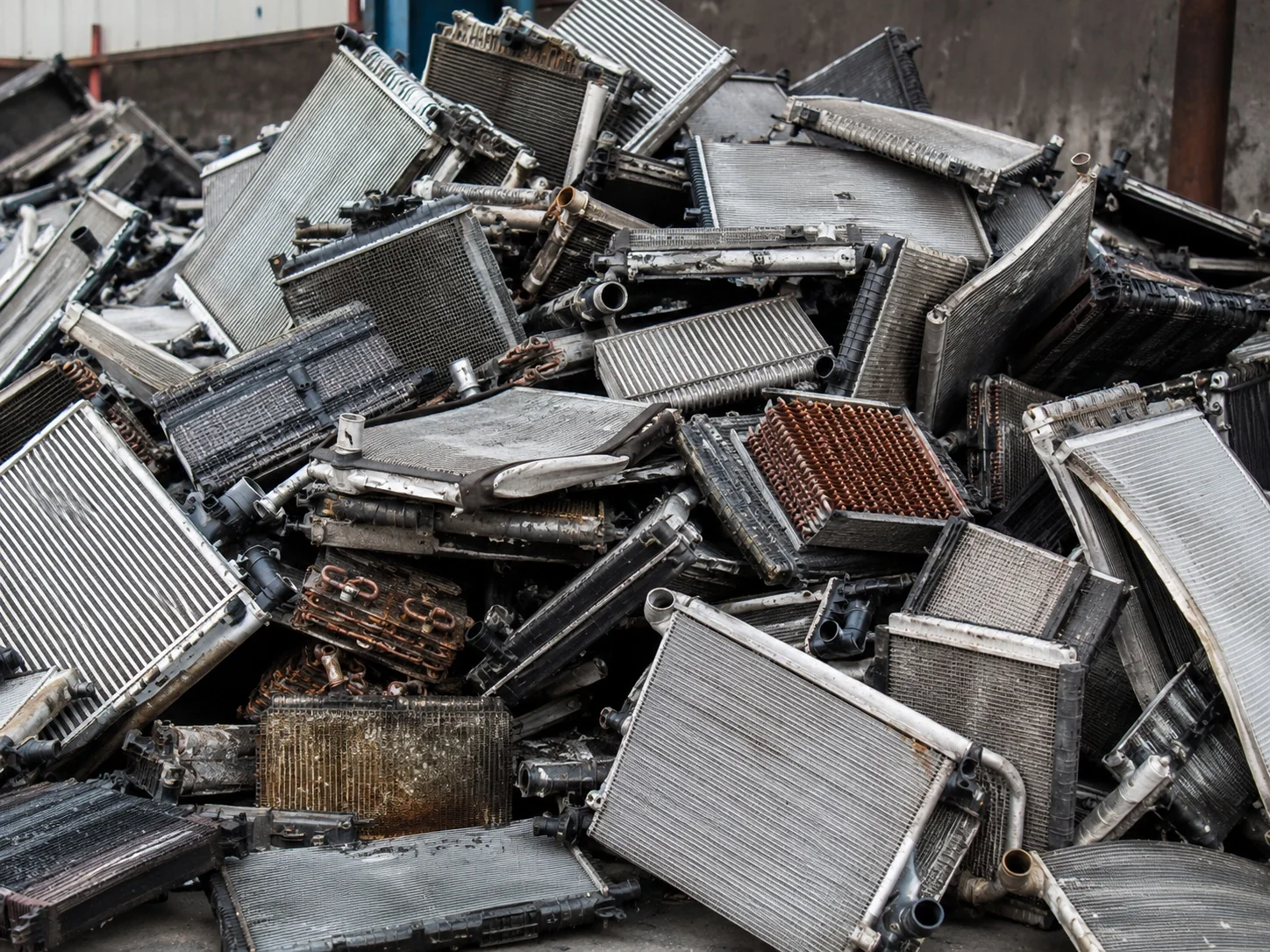
Mixed-size and deformed material that cannot be processed reliably by a narrow-slot stripping machine.
A complete line has a broad feed window, but that does not mean every object should enter the shredder without inspection. Correct feed preparation protects the shafts, cutters, bearings and downstream separators.
This distinction prevents a common purchasing mistake. A low-cost stripping machine and a complete crushing-separation line solve different feed problems.
| Decision Point | Radiator Stripping Machine | Complete Radiator Recycling Line |
|---|---|---|
| Best feed | Flat, clean, pre-cut AC radiator sections | Mixed, deformed, whole or partially dismantled radiators |
| Impurities | Low iron and plastic content preferred | Designed with ferrous and non-metal separation stages |
| Main action | Mechanically strips tubes from fins | Shreds, crushes, liberates and sorts multiple material streams |
| Feed flexibility | Limited by tube spacing and material shape | Broader feed range after project-specific configuration |
| Typical buyer | Small recycler with uniform ACR feed | Recycling plant, dismantler or mixed non-ferrous processor |
A practical line is built around controlled liberation. Each stage should prepare the material for the next separator instead of simply making the particles smaller.
Bulky radiators are metered into a low-speed shredder for primary size reduction and stable downstream feeding.
Cores, tubes, fins and attachments are reduced further to open the bonded radiator structure.
Steel frames, screws, clips and other ferrous parts are removed before non-ferrous sorting.
Conductive non-ferrous pieces are separated from plastic and other non-metal fractions.
Remaining copper-aluminum composites are crushed again when one-pass liberation is insufficient.
Density and aerodynamic differences are used to split copper-rich, aluminum-rich and light fractions.
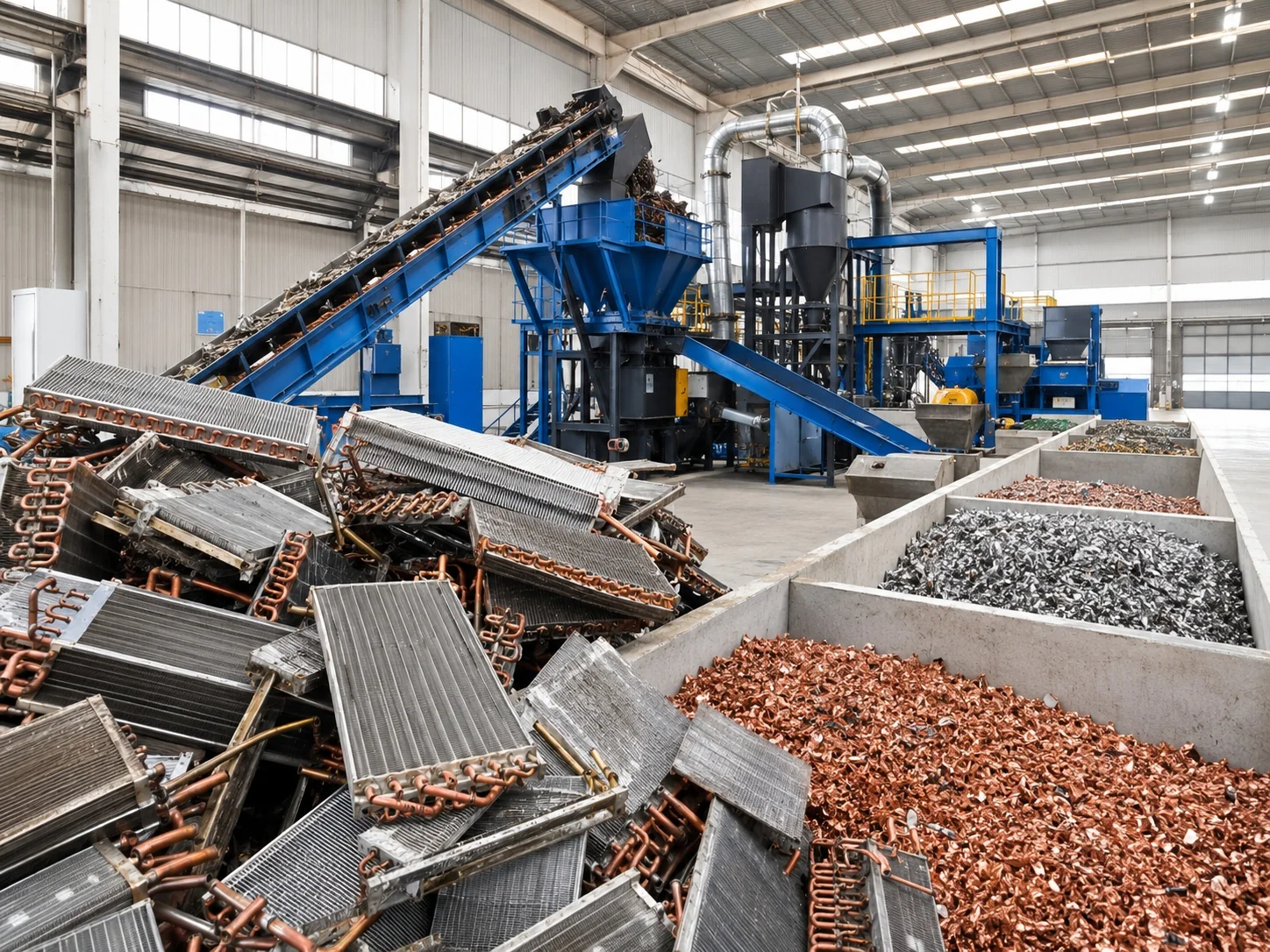
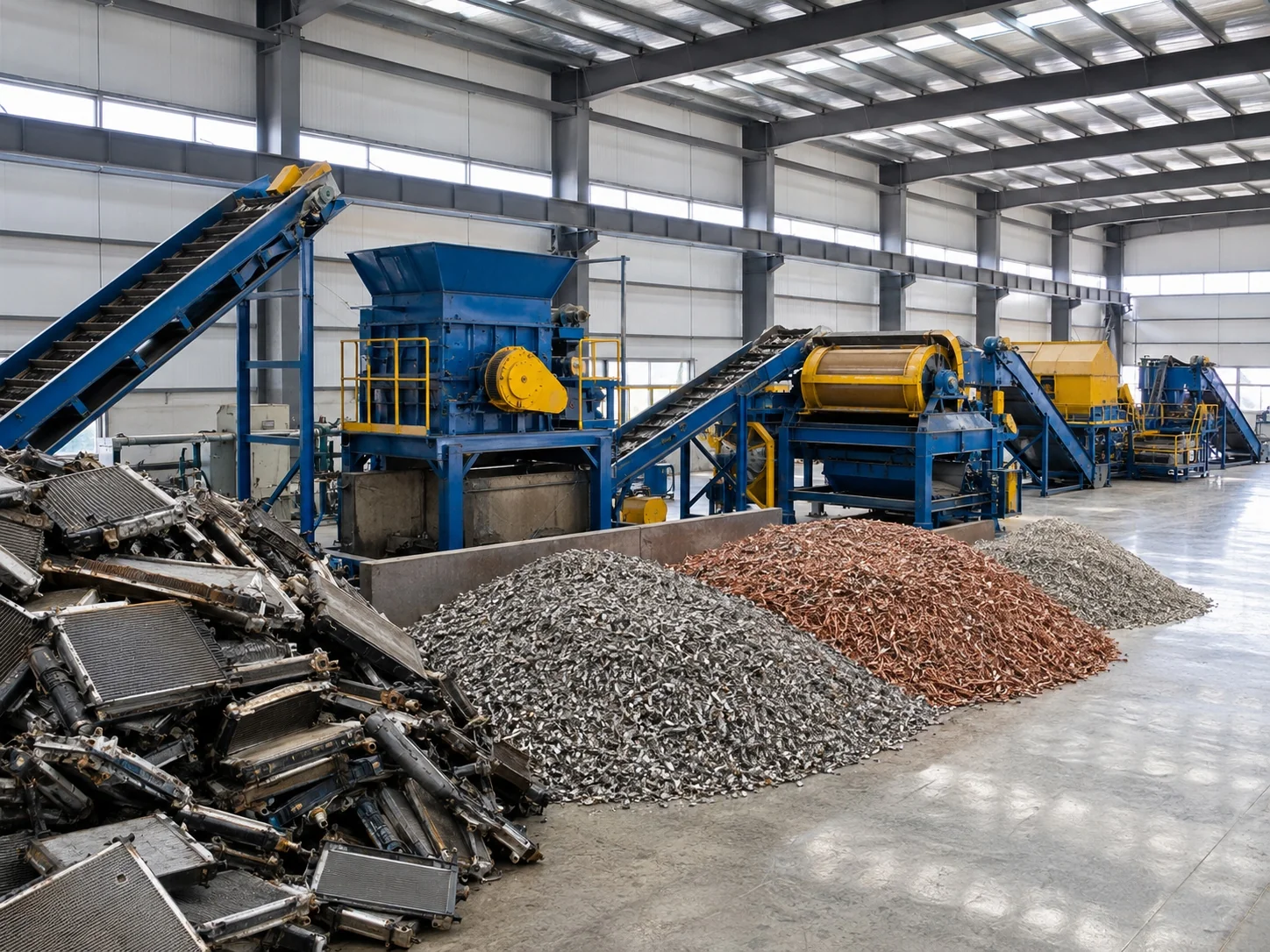
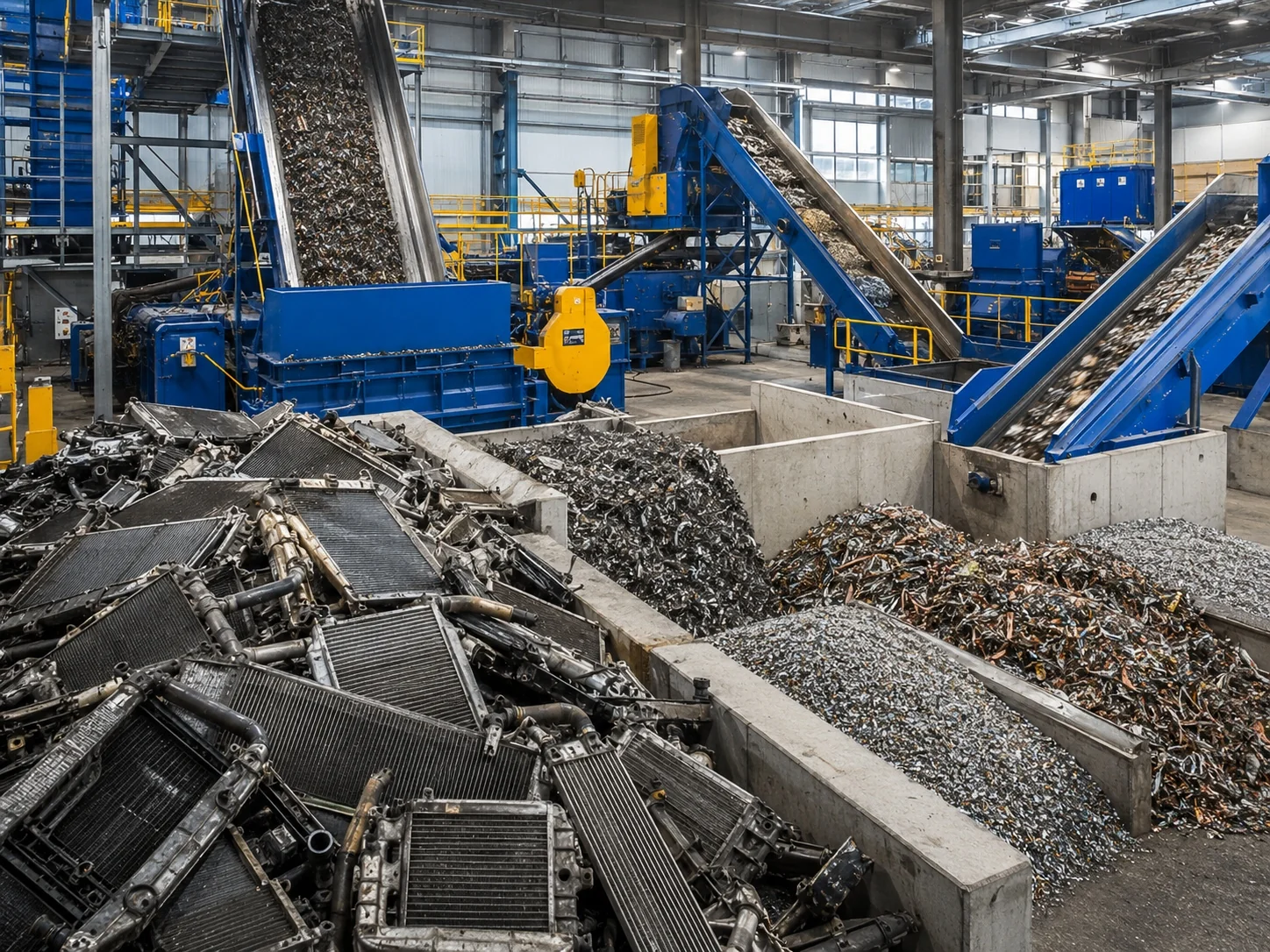
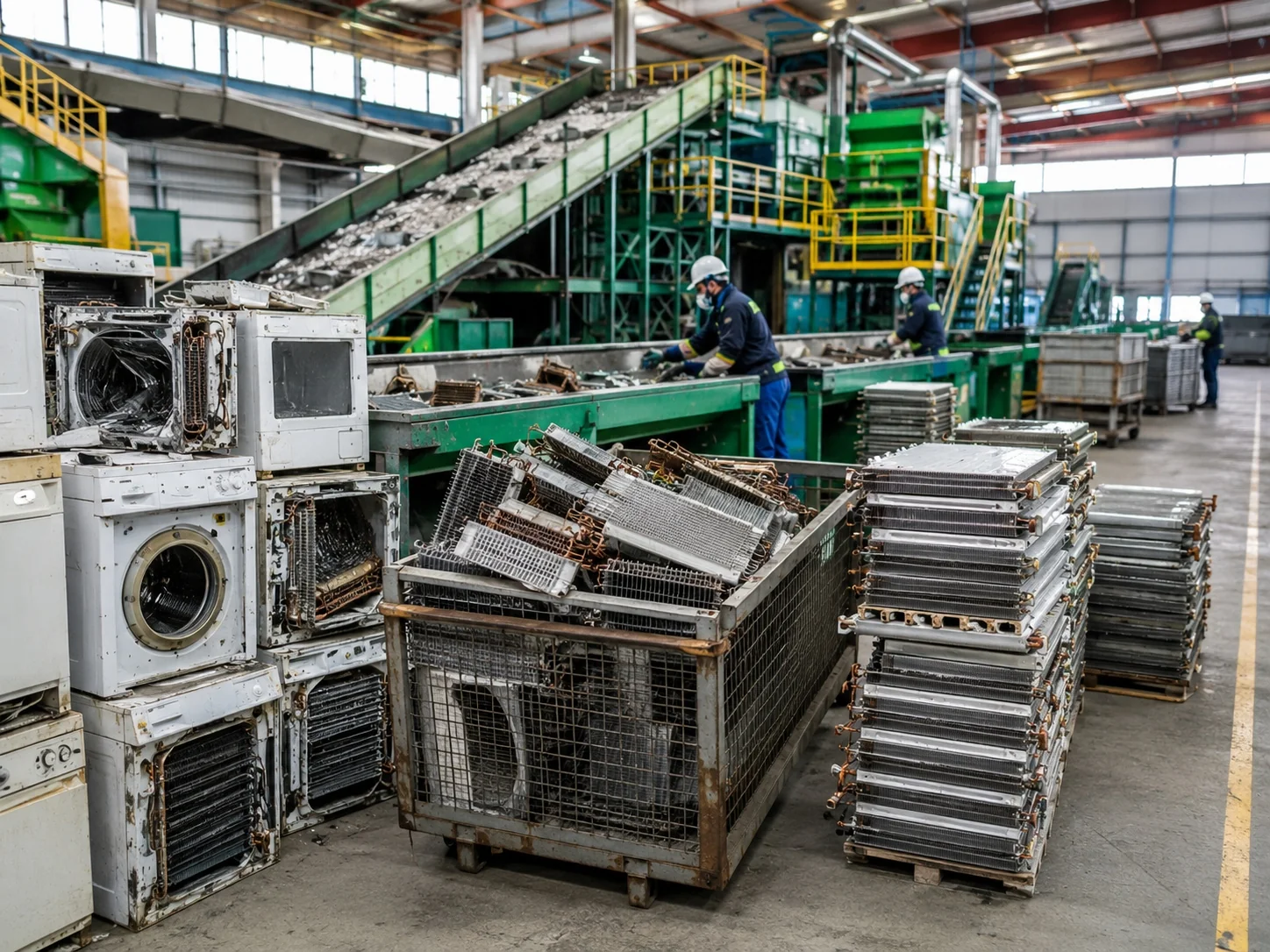
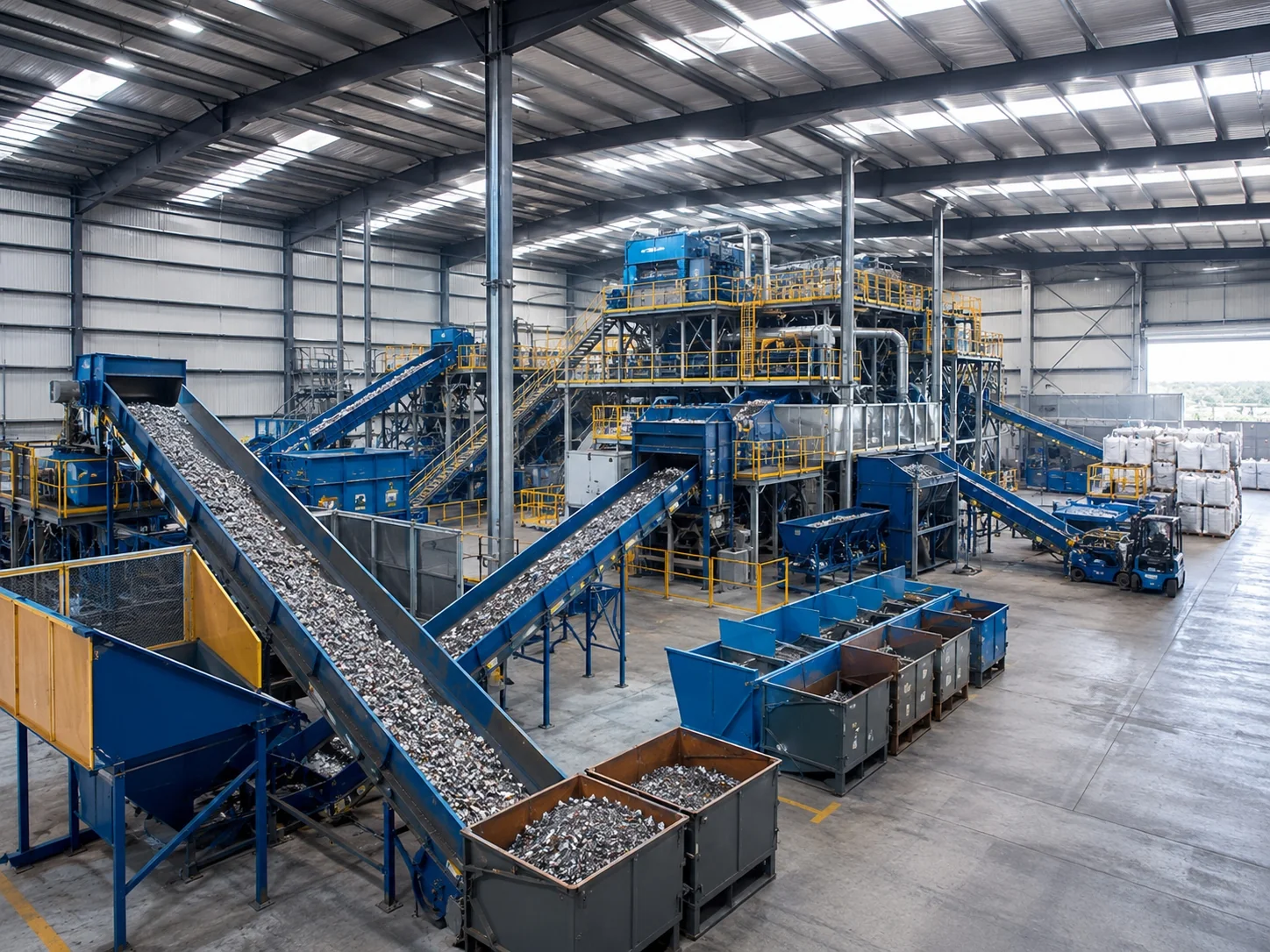
The exact list is project-specific. The following equipment forms the usual engineering framework for a mixed radiator recycling plant.
Meters bulky radiator scrap into the shredder and keeps the downstream load stable.
Uses low-speed, high-torque cutting to reduce whole and deformed radiators before fine crushing.
Opens radiator cores and breaks tubes, fins and attached parts into a sortable particle range.
Removes screws, clips, frames and other ferrous pieces before non-ferrous separation.
Separates conductive non-ferrous metal from plastic and other non-metal material.
Releases copper and aluminum that remain attached after the first crushing stage.
Controls particle-size bands and creates a more stable feed for final gravity or air separation.
Uses density and aerodynamic response to divide copper-rich, aluminum-rich and light fractions.
Captures fine aluminum, plastic, fiber and surface dust around crushing and separation points.
Coordinates interlocks, overload protection, conveyors and emergency stops across the complete line.
Fine separation becomes unstable when the feed contains a wide particle-size range. Large flakes behave differently from small granules, even when both are aluminum. For that reason, screening should be treated as a process-control stage rather than an optional accessory.
A return circuit can send incompletely liberated copper-aluminum pieces back to the secondary crusher. This improves recovery without forcing every particle through unnecessary fine crushing.
Dust collection is also important. Radiator fins, old surface deposits, fibers and plastics can generate light fines that interfere with gravity separation and increase housekeeping work around the line.
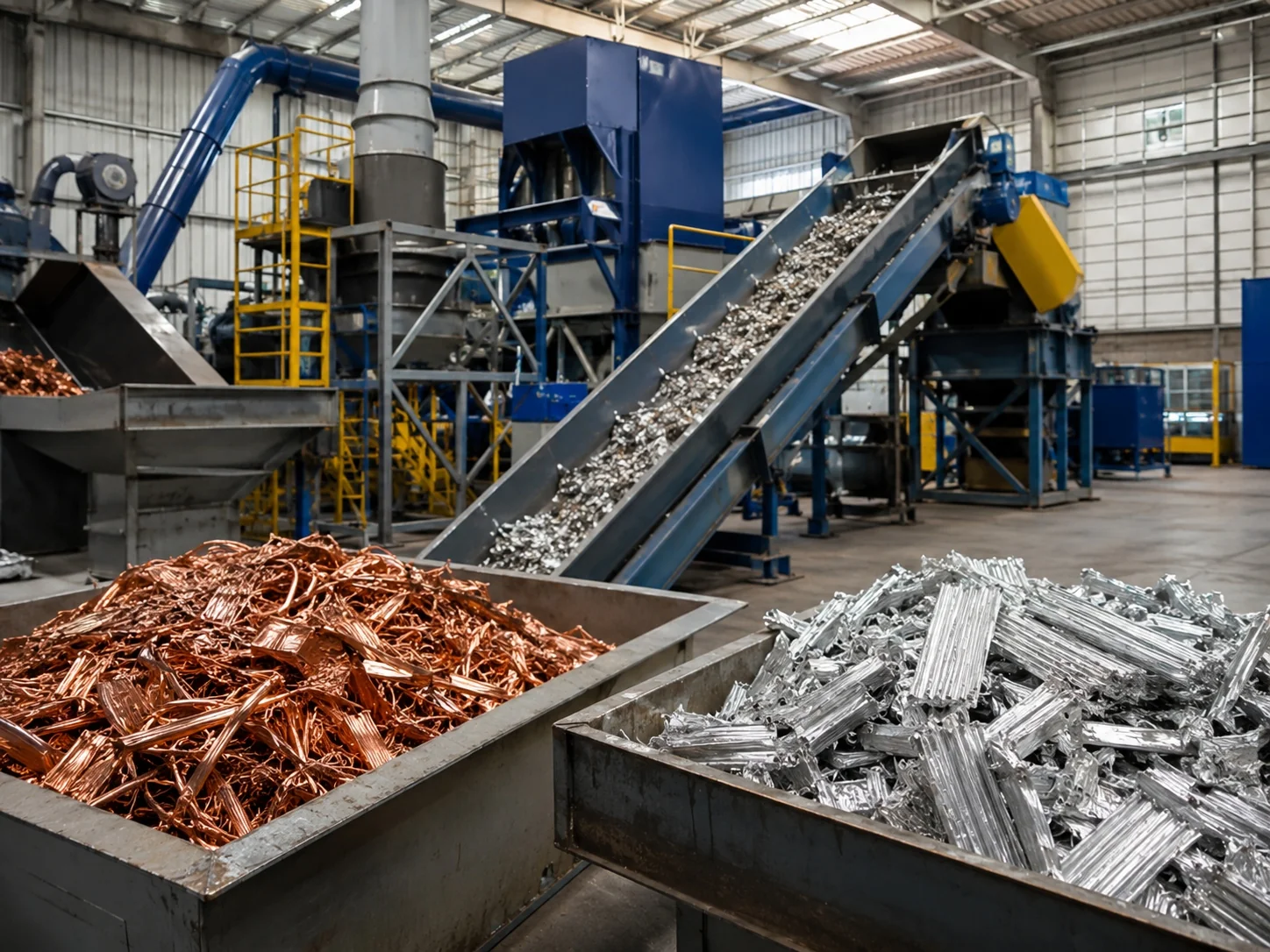
The actual product split depends on the radiator type and chosen separation depth. Some projects target separate copper and aluminum fractions; others sell a copper-aluminum concentrate after removing iron and plastic.
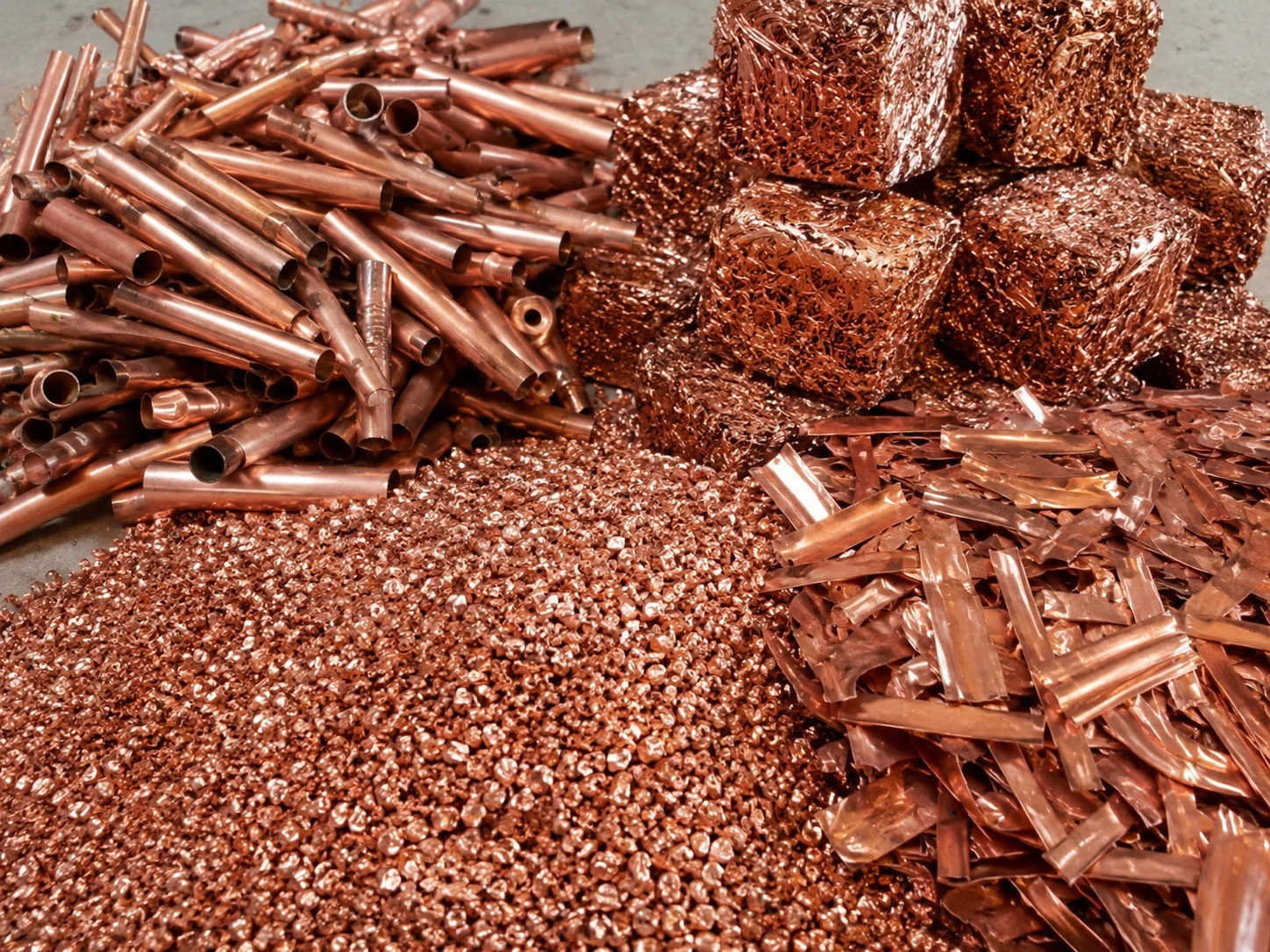
Copper tubes, wire-like pieces and copper-rich granules for resale or further refining.
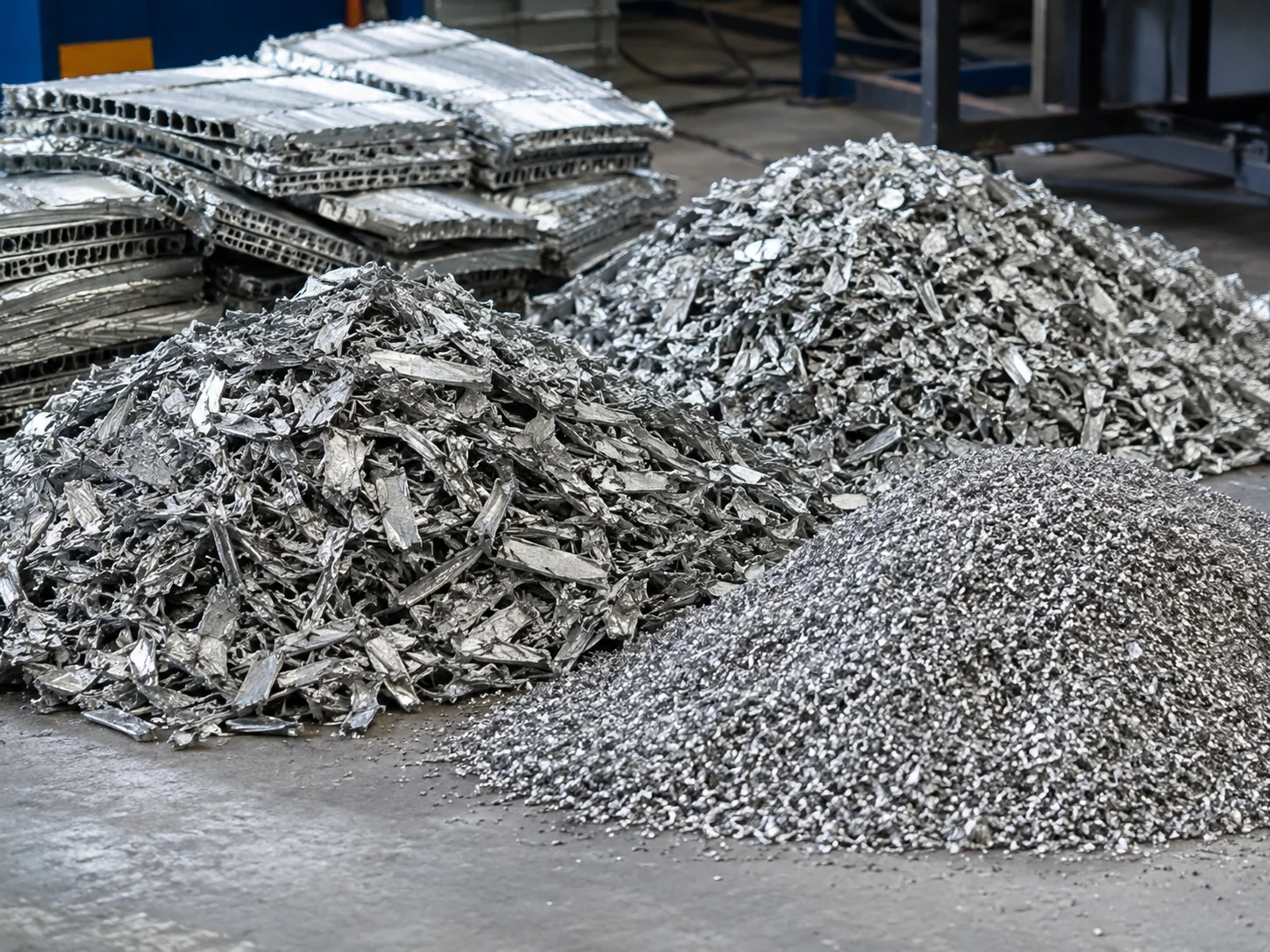
Separated fins, cast pieces and aluminum-rich material from radiator cores and frames.
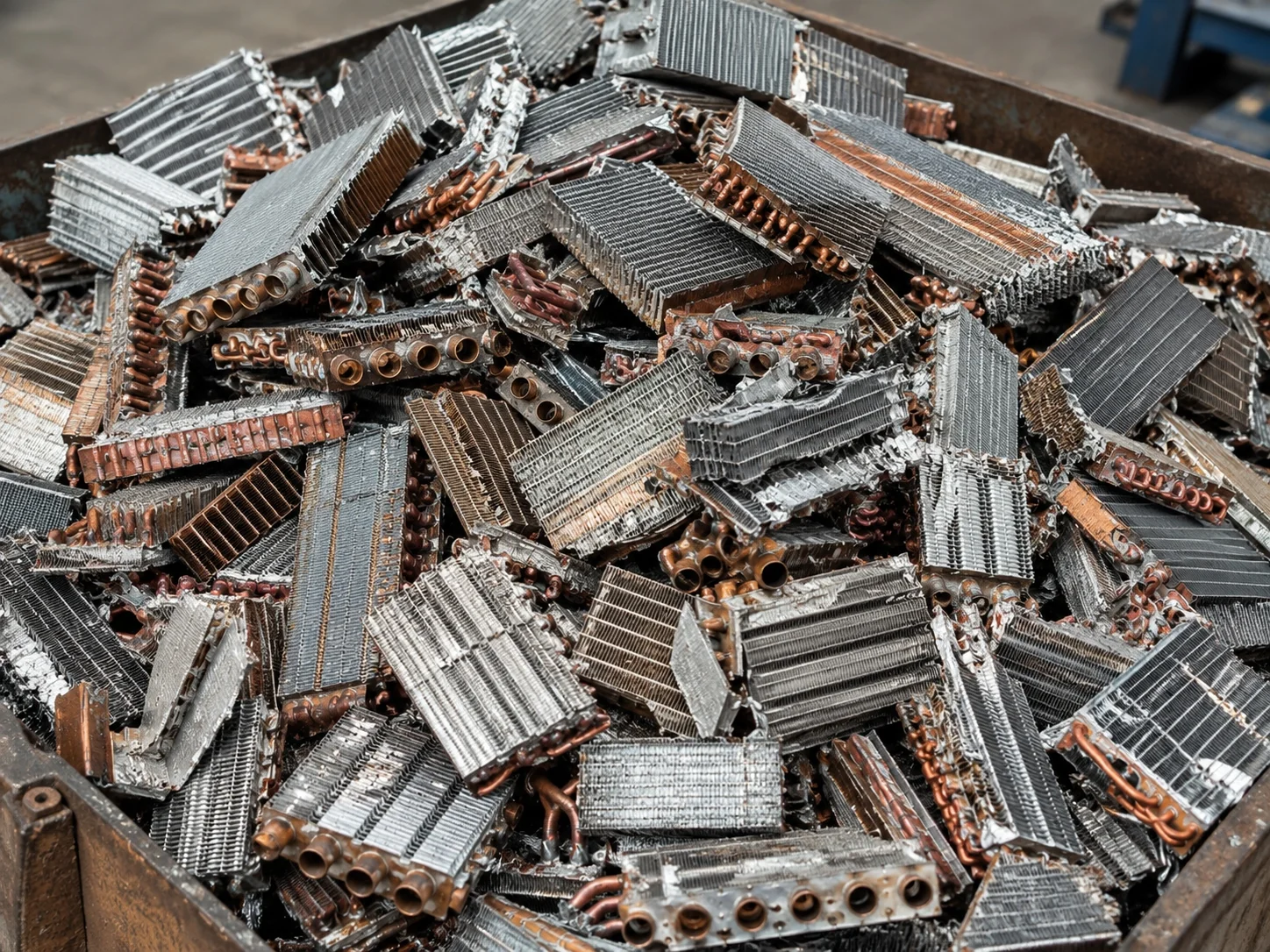
A saleable mixed non-ferrous fraction where full copper-aluminum separation is not required.
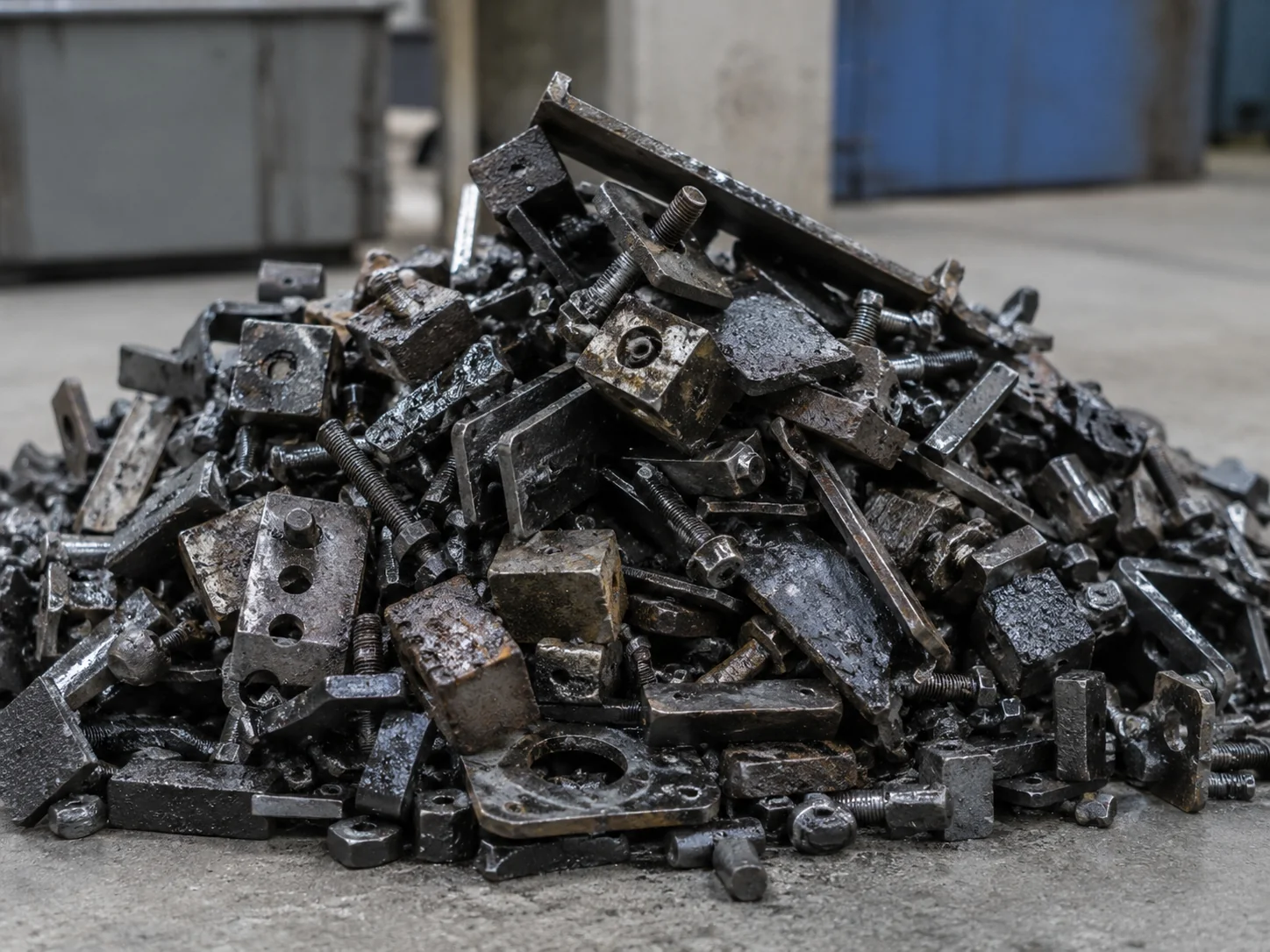
Steel brackets, screws and frame pieces removed by magnetic separation.
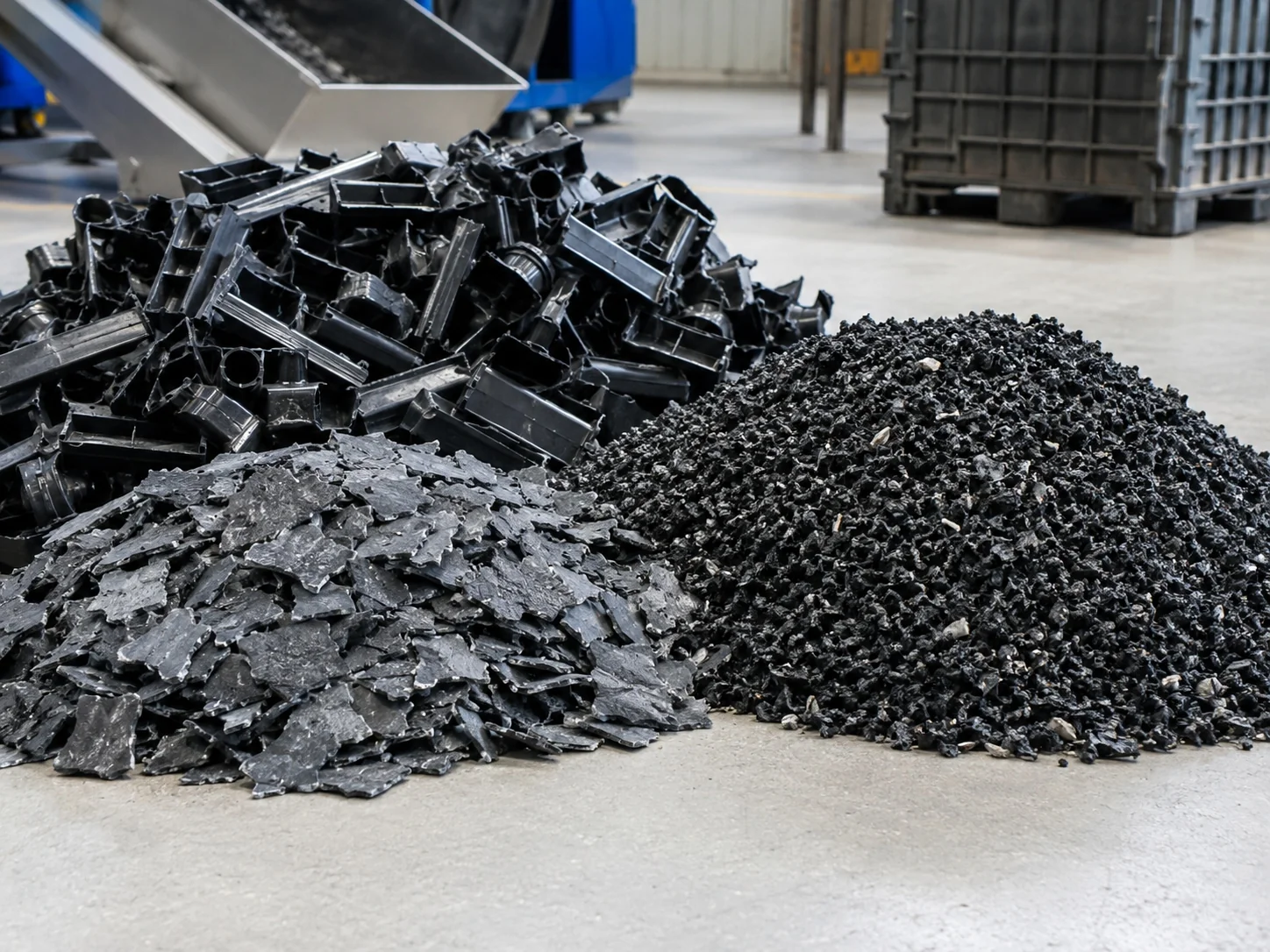
Side tanks, covers and light non-metal pieces removed from the metal stream.
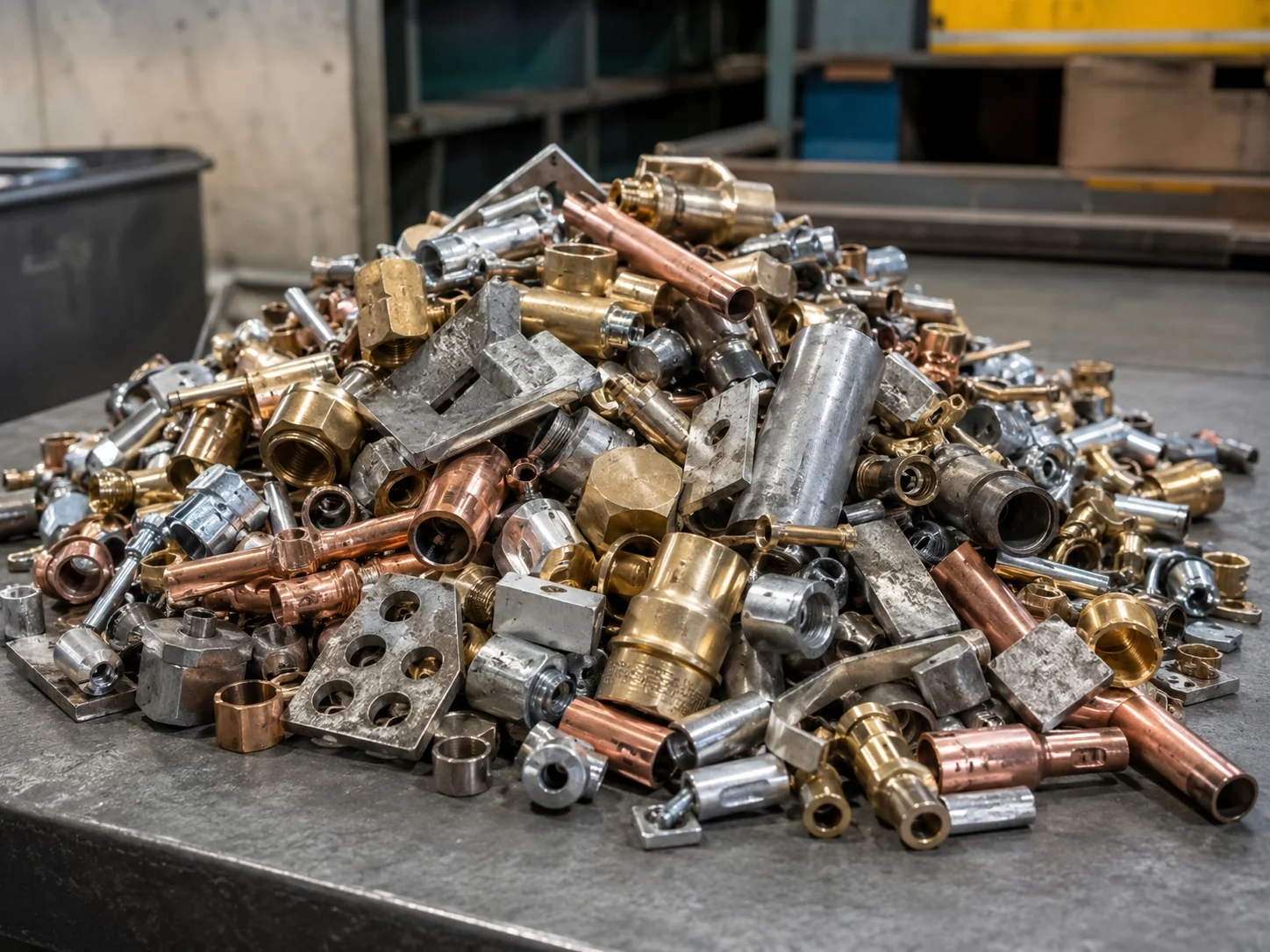
Brass fittings, stainless steel and other recoverable pieces, depending on the feed mix.
Nominal throughput is only useful when the feed condition is defined. Two radiator streams with the same weight can require very different shredder torque, conveyor volume and separation time.
| Feed Condition | Recommended Process Focus | Main Engineering Concern |
|---|---|---|
| Clean pre-cut AC coils | Crusher, magnetic removal, controlled screening and gravity separation | Efficient copper-aluminum liberation without over-crushing |
| Mixed car radiators | Shredder, crusher, magnetic separation, eddy current and gravity separation | Plastic tanks, steel fittings and uneven feed shape |
| High-plastic radiator scrap | Shredding, screening, eddy current separation and return crushing | Preventing light plastic from contaminating metal products |
| Mixed heat exchangers | Full line with adjustable screening and flexible recirculation | Large changes in bulk density and metal composition |
Larger feed openings, higher torque, wider conveyors and heavier separation equipment increase project cost.
Mixed car radiators with plastic and steel normally require more stages than clean pre-cut AC coils.
A copper-aluminum concentrate requires less equipment than separate copper-rich and aluminum-rich products.
Secondary liberation and recirculation add equipment but may improve recovery and product value.
Enclosures, dust collection, spark control and site-specific guarding affect the total scope.
Central control, storage bins, elevated platforms and integration with existing equipment influence the final quotation.
A reliable quotation begins with the feed, not with a standard model list. We normally ask buyers to provide representative photos or samples and clarify the following points.
Car, AC, all-aluminum or mixed radiators; whole or pre-dismantled.
Plastic tanks, rubber, oil, steel brackets, dirt and other attachments.
Average and peak feed rate, shift pattern and expected annual volume.
Copper-aluminum concentrate or separate copper-rich and aluminum-rich outputs.
Available floor area, power supply, dust-control requirements and material flow.
Local buyer specifications often determine how far separation should go.
Process vehicle radiators after fluid drainage and removal from end-of-life vehicles.
Recover radiator and heat-exchanger metals from air conditioners, refrigerators and HVAC equipment.
Add radiator processing to an existing copper, aluminum or mixed scrap operation.
Upgrade from loose scrap trading to value-added material preparation and separation.
Connect the line with existing conveyors, separators, dust collection and storage systems.
Add secondary liberation or improved sorting where an existing line produces mixed, low-value output.
Review material photos, dimensions, composition and contamination.
Match shredding, crushing, screening and separation stages to the target output.
Arrange conveyors, platforms, bins and maintenance access around the available workshop.
Coordinate interlocks, overload protection and emergency stops across the line.
Confirm equipment operation and material flow before shipment where project conditions allow.
Support foundation, assembly and mechanical or electrical installation planning.
Adjust feeding, screens and separator settings around the real material.
Prepare wear-part and maintenance recommendations for long-term operation.
Send photos, approximate dimensions, material mix, expected throughput and the final products you want to sell. These details allow the shredder, crusher, screen and separation stages to be selected around your material rather than around a generic layout.
Yes, when the shredding and separation system is configured for the radiator size and impurity content. Large steel parts, fluids or unsuitable attachments may still require pre-treatment.
A stripping separator is intended mainly for relatively flat, uniform and pre-cut radiator sections. A complete line is designed for broader, mixed and deformed feed and includes size reduction plus several separation stages.
The achievable split depends on liberation, particle-size control, feed consistency and the selected equipment. Representative material testing is the safest basis for setting realistic output targets.
Primary crushing may reduce size without fully releasing copper tubes from aluminum fins. A second controlled liberation stage can improve the response of the material in gravity or air separation.
The proposed route is a physical process based on shredding, crushing, magnetic separation, eddy current sorting and gravity separation. Dust collection and proper handling of fluids or oily residues should be included where required.
Send clear feed photos, typical radiator dimensions, estimated percentages of copper, aluminum, iron and plastic, required throughput, power supply and the final product specification expected by your buyer.
Price is mainly affected by throughput, feed complexity, shredder and crusher size, the number of separation stages, dust-control scope, automation level and plant layout.
Yes. Conveyors, bins, magnetic separators, dust collection and electrical controls can be planned around existing equipment after the site dimensions and interface points are confirmed.
Equipment selection and final output quality should be confirmed against representative feed material and project conditions.

Get in touch with our nice team today to get a price estimate for a shredder machine.
Contact Us