Industrial Shredder & Recycling Systems Manufacturer - YUXI

 English

 English
 Fast Delivery
 Reliable
 Certified
 ExperiencedEnglishEnglishFast DeliveryReliableCertifiedExperienced
A bundle of last week’s newspapers looks like simple feedstock. Cut it open, break up the sheets, and the paper ought to turn into fiber. That is more or less the idea behind dry mechanical preparation. The trouble starts when the material is no longer a tidy bundle. One delivery arrives as loose newsprint. The next contains glossy leaflets and wet stacks at the bottom. A third has plastic bags caught between the bundles. All three may have been sold as ‘old newspaper.’
For the equipment arrangement, start with the site’s waste paper cellulose recycling line. It describes the larger dry preparation process. Here the focus is deliberately tighter: what newspaper does to the feed system, what each piece of equipment must handle, and what a buyer should insist on seeing during a trial. This is not a guide to making conventional wet pulp or a promise that mechanically opened fiber is a finished insulation product.
Often, yes. Ordinary newsprint is relatively light and readily broken apart compared with many heavily laminated papers. A plant receiving a steady, well-sorted supply has a plausible starting point for dry fiber preparation. Yet a ‘newspaper’ label is not a quality specification. It doesn’t tell you whether the load came from an organized news collection, mixed household paper, or unsold copies bundled with inserts.
The distinction also appears in recovered-paper trading rules. ReMA defines Sorted Clean News as a particular grade and sets out expectations for materials that do not belong in a shipment. It also addresses moisture and differentiates prohibitive materials from outthrows.[1] That helps describe what a buyer is purchasing. It does not tell the equipment supplier which feed rate, screen arrangement or fiber quality a particular machine will achieve.
Suppose a supplier runs dry, hand-sorted newspapers at its factory. The fiber looks good, the machine sounds steady, and the test ends without a jam. Useful evidence—but only for that feed. If the plant will normally receive tied bundles with inserts, then those bundles are what the next test must include. The same applies to the dampest loads that regularly pass receiving inspection. A demonstration becomes misleading when the awkward parts of normal production are taken out before anyone starts the stopwatch.
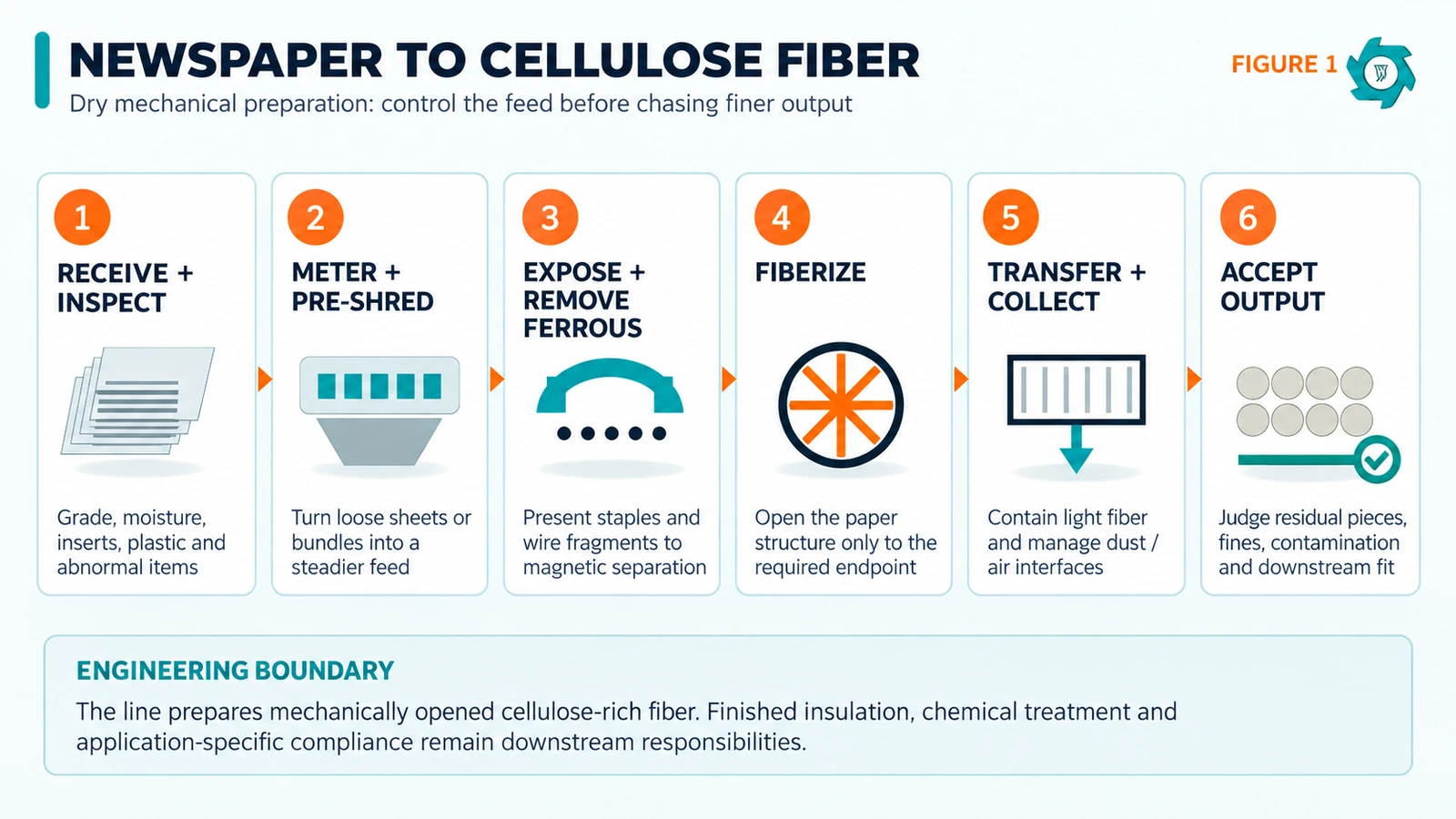
Figure 1. Newspaper processing should begin with receiving control and steady feeding, not with a promise of one universal fiberizer setting.
Put the purchasing description next to the equipment quotation. If one document says ‘newspaper’ and the other assumes uniform loose sheets, there is already a gap. Get the collection route, supply grade, storage, package form, normal inserts and known foreign material on paper. You can add testing limits later, but those details should not be left until commissioning.
News collected separately from a print distributor is not the same material as newspaper picked out of mixed household recycling. The mixed stream may carry mail, small cartons, film packaging and food-contaminated sheets. Even if newspapers make up most of its weight, it may need more sorting than the line quotation allows. Ask where the material comes from and whether that source is likely to change.
Imagine trying to feed a hopper with loose newspaper. It can look full while supplying little actual weight. Then a stack collapses and the conveyor delivers a sudden lump. Tied bundles behave differently; bales behave differently again. Straps need a removal plan, and compacted material may need opening before it can be metered. Ask the supplier to show the line running the package form you intend to buy. Hand-fed sheets are not a substitute for that test.
Water is easy to overlook when the quotation is written in tons per hour. Damp newsprint clings, sometimes forms dense lumps, and can throw off feeding. Wet material also adds mass that is not usable dry fiber. ReMA’s recovered-paper specifications refer to a 12% maximum moisture level unless the parties agree otherwise and define the test basis.[1] Treat that as a commercial grading reference, not as the operating limit of every fiberizer. For machine selection, compare an ordinary load with material from the difficult end of your normal moisture range.
Not every insert is a reason to reject the load. Newspapers regularly contain colored pages and sometimes coated advertising material. What matters is whether the line and downstream customer can accept the resulting fiber. Plastic delivery sleeves, rigid objects, thick board and metal strapping are different. They should be identified before feeding, with clear rules for removal or rejection. Otherwise a quality problem in the finished fiber may simply be a receiving problem passed downstream.
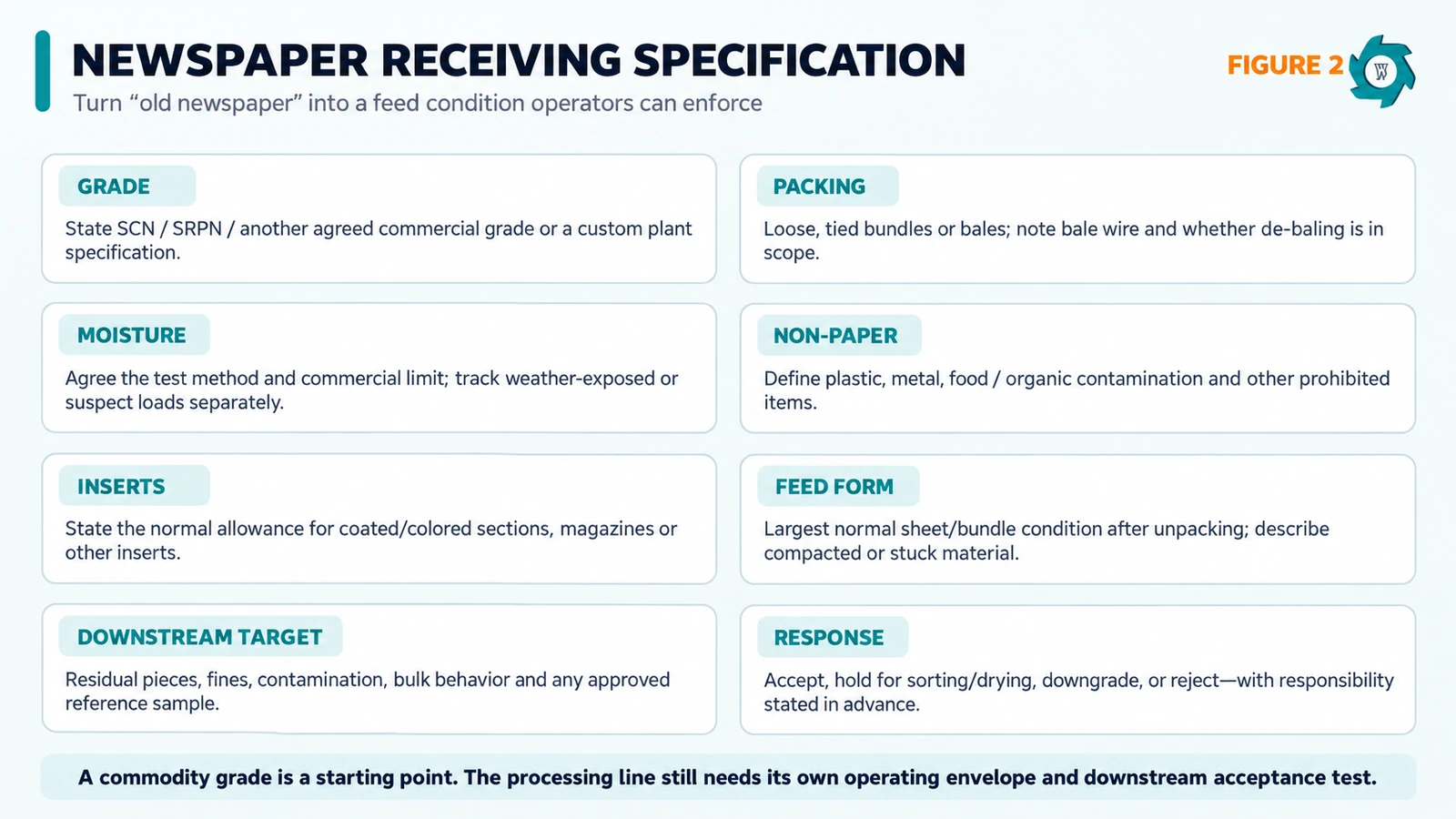
Figure 2. A useful newspaper specification describes the load the equipment will actually receive, not just the commodity name.
The machinery does several different jobs, and confusing them is an expensive way to build a line. A feeder deals with the bulkiness of the material. The primary shredder makes it manageable. Separation deals with exposed foreign material. The fiberizer opens the paper. Collection equipment has to capture the light output and control dust. None of those duties should disappear into a single quoted throughput figure.
A newspaper feed system is often limited by volume long before it is limited by motor power. With loose sheets, the hopper may bridge, empty unevenly, or suddenly deliver a large slug. A metering conveyor or another suitable feed arrangement can smooth the supply, but its design depends on the actual package form. During a trial, watch the feeder as closely as the shredder. Someone continually pushing paper into the inlet is doing work the proposed line may not be designed to handle on its own.
Leave a practical way to inspect incoming material. Operators need to spot a plastic bag, an unexpected tie or a hard object before it is buried inside the stream. Adding a bigger downstream magnet cannot fix every mistake made at unloading.
Primary shredding has a fairly modest objective: make the newspaper consistent enough to move, inspect and feed to the next step. It does not have to produce finished fiber. If the machine turns the material into excessively small pieces before the fiberizer, the project may be paying for extra work and creating handling problems it didn’t need.
A double-shaft shredder may be suitable for the first reduction step, depending on package size, bulk density and the handoff required by the rest of the line. Do not select it by a generic capacity figure from an unrelated material. Ask what was fed during the rating test, what was discharged, and whether the same behavior holds with your normal bundles or bales.
Some newspaper deliveries contain staples or clips; others arrive with tying wire or metal that should never be present. Opening the paper can release some ferrous pieces so a magnet has a chance to collect them. It will not necessarily catch small metal still buried in a dense wad. A sensible layout combines receiving checks, exposure of the material, separation and an agreed output inspection—not a claim of perfect metal removal.
Once the feed is manageable, the fiberizer does the final mechanical opening. A fluffy-looking sample is not a specification. A customer may care about visible paper flakes, fines, how the material packs, or contaminants carried into the next operation. The paper fiberizer machine guide discusses the wider choices. For this newspaper project, decide the acceptable discharge condition before anyone starts adjusting the machine to make the sample look nicer.
Stable feeding is particularly important here. If one minute brings almost no material and the next brings a packed surge, output will change even with the same fiberizer settings. Record the incoming condition and the primary-stage discharge so the operator can find the cause. A written shredder-to-fiberizer handoff is much more useful than saying both machines were ‘running normally.’
Paper fiber is light. It escapes at open transfer points, settles on nearby surfaces and may put fine dust into the air. Dust collection therefore needs to be included in the process discussion from the beginning. OSHA identifies paper dust as a potential combustible-dust hazard under relevant conditions and discusses controls such as hazard assessment, housekeeping and ignition management.[2] The right controls depend on the plant and must be designed for its actual hazards; simply adding a dust collector to a sketch is not a complete safety assessment.
At the discharge, collect samples that the downstream user can actually judge. Are there compact paper pieces left? Unwanted plastic? More fines than expected? Does the fiber bridge in storage or move cleanly to the next stage? Those answers matter more than whether a photograph of the output looks soft.
| Stage | Main duty with newspaper | What to verify during a trial |
|---|---|---|
| Receiving / metering | Prevent bulky light sheets or bundles from creating large surges and gaps. | Stable feed presentation, no chronic bridging, realistic operator intervention. |
| Primary size reduction | Convert the incoming form into a manageable and inspectable handoff. | Handoff size and shape, wrapping behavior, reversals, stoppages, exposed contaminants. |
| Magnetic separation | Remove exposed ferrous items where practical. | Reject stream, magnet position, whether metal remains embedded in compact pieces. |
| Buffer / controlled transfer | Decouple short upstream surges from the fiberizer. | Steadier downstream loading and fewer sudden feed corrections. |
| Fiberizer | Open paper to the required fiber condition without unnecessary processing. | Residual pieces, fines, accepted output rate, temperature/dust observations where relevant. |
| Air / dust / collection interface | Contain and move light fiber while managing fine particulate. | Pickup at transfer points, material losses, housekeeping burden, collector interruptions. |
This equipment split is why a single capacity number can mislead. One machine may swallow short peaks while the next cannot clear them. The fiberizer may produce excellent material at half the claimed line rate. A meaningful acceptance run needs to show that the equipment, together, delivers acceptable fiber at a sustained agreed rate. Otherwise the headline throughput conceals the bottleneck.
Most newspaper quality failures have a mundane cause. The wrong load was accepted. The feed arrived in a different form from the test sample. A wet bale hid at the bottom. Or the line was pushed harder to reach a capacity target, leaving a different product at the outlet. Before changing machine settings, trace what entered the system and what happened as it moved through each stage.
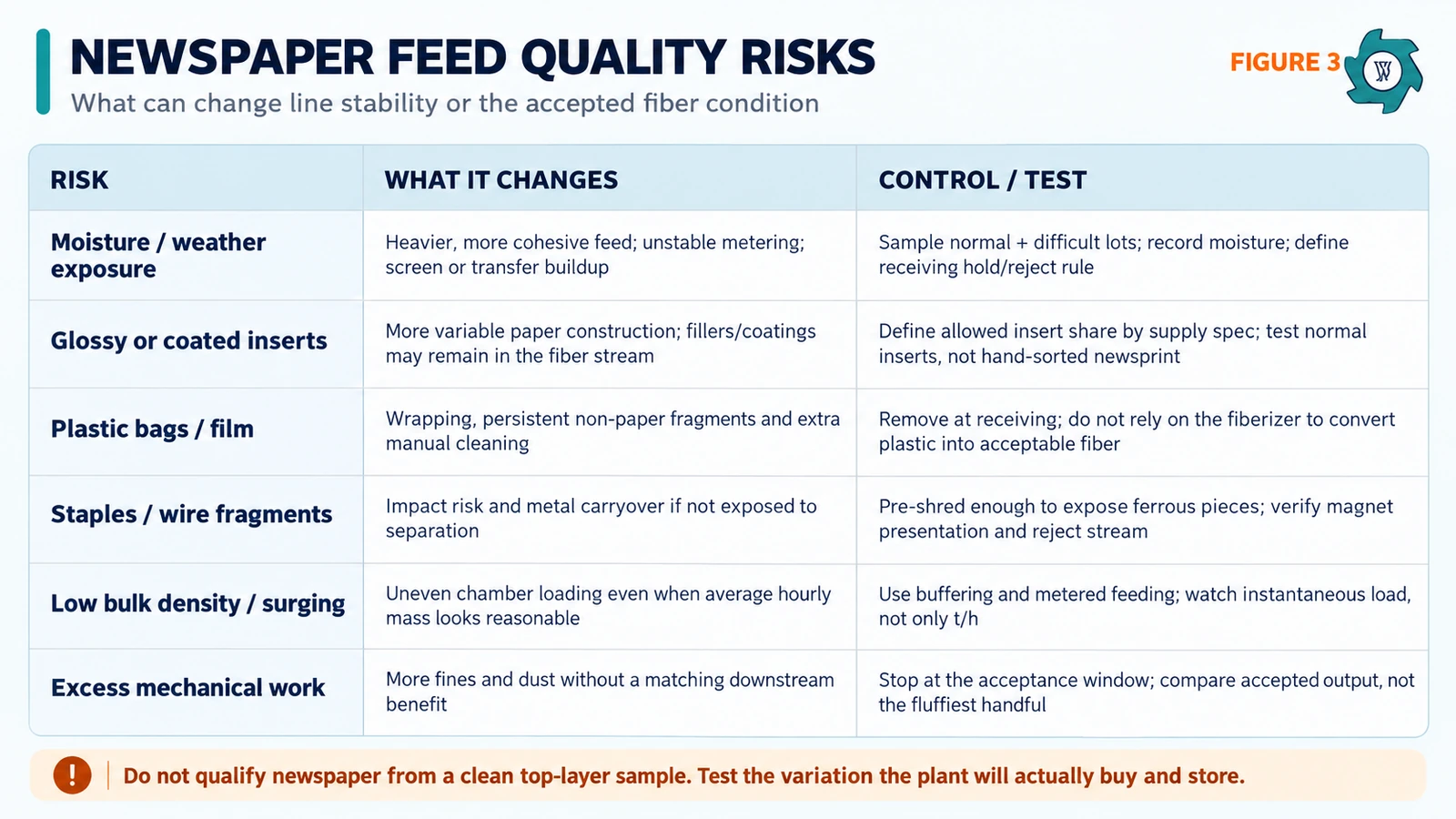
Figure 3. Quality problems can begin at receiving, feeding, separation, or fiber opening; changing the fiberizer is not always the correct first response.
The person unloading the truck needs a usable rule, not a twenty-page engineering essay. What does an approved load look like? Which inserts are normal? What makes a wet bale unacceptable? Where do plastic bags or wire go? Agree on the answers with purchasing and operations. If they use different definitions of ‘clean newspaper,’ problems will be discovered only after the material reaches the machine.
The Sorted Clean News grade can help with a supply contract, provided it actually matches the material being bought. It should not be copied into a factory test without checking that match. A plant purchasing over-issue news from one source may have an easier job than a plant taking partly sorted household material; the two should not be accepted against an identical machine demonstration without evidence.
A factory acceptance test can look impressive and still leave the buyer with no clear answer. A line runs for a short period, someone holds up a handful of fiber, and the report records the highest observed throughput. What happens when the bundle contains normal inserts? How many times did an operator clear the feed? How much of the discharge would the customer actually accept? Write those questions into the test plan before arranging the trial.
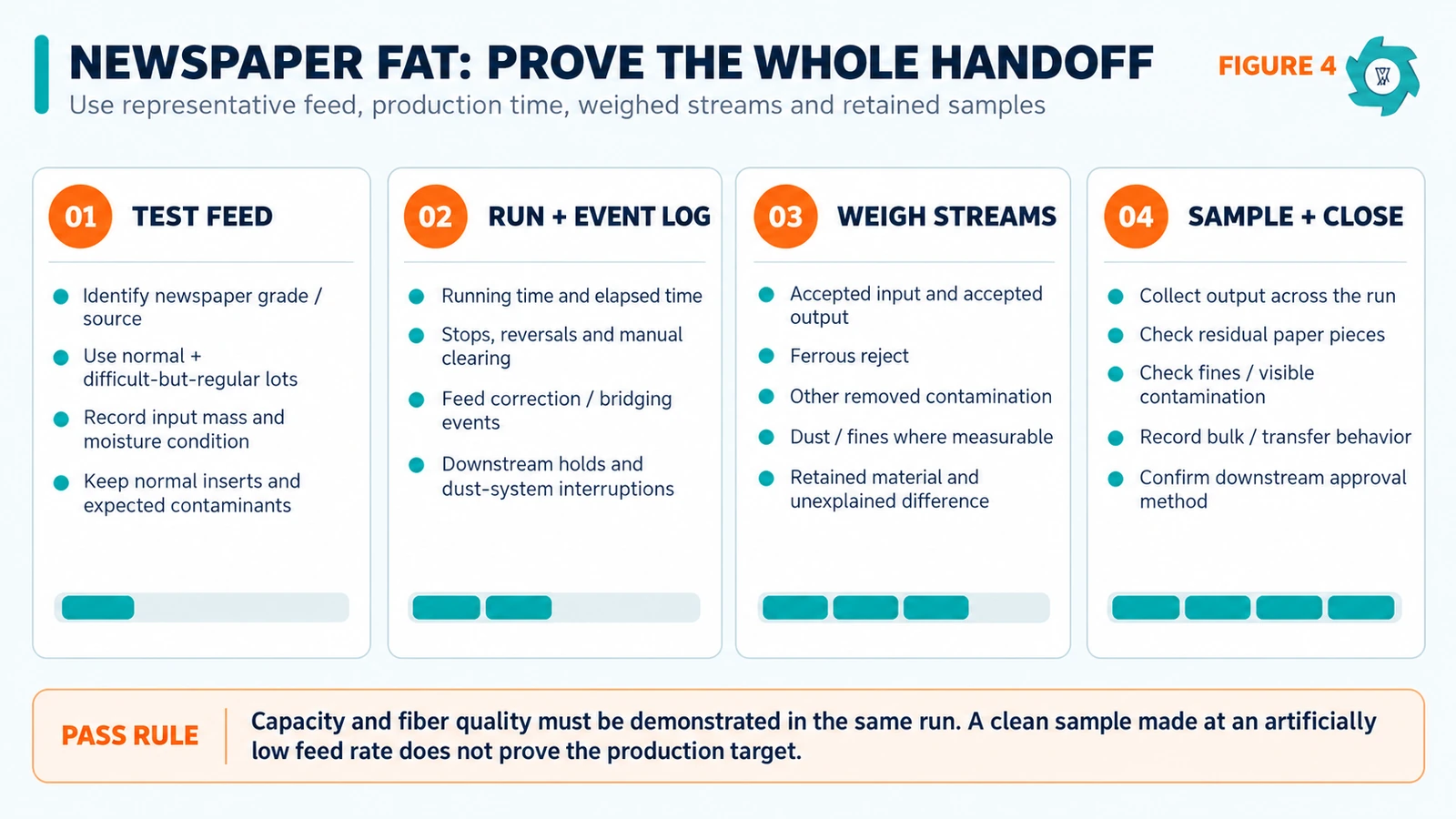
Figure 4. A meaningful FAT links representative feed, event logging, weighed streams, and retained output samples in one production run.
Bring the newspaper you intend to process. That means its normal inserts, bundles, straps-removal procedure and moisture variation—not a specially sorted stack. Label the lots so results can be traced to their source. If the test uses loose sheets but production uses compacted bales, record that limitation explicitly rather than treating the run as proof of bale-handling performance.
Keep a plain event log. Note when feeding starts, when the line stops, when an operator clears a jam, when a reversal occurs and when downstream equipment makes the line wait. The best uninterrupted ten minutes may be worth measuring, but it is not the same as a sustained shift-rate claim. Report productive time and total elapsed time separately so the buyer can see the operating burden.
Weigh incoming material and the fiber accepted at the outlet. Where practical, weigh separated ferrous material and other rejects too. Document any material that remains inside equipment or is not accounted for. If fines collected from extraction are important to quality or yield, agree beforehand how they will be sampled. Without this record, a loss can end up being reported as usable production.
Take more than one output sample. Keep samples from the beginning, middle and later part of the run, or use another sampling interval agreed in advance. Label them against the feed lot and operating conditions. A single handful taken during the cleanest minute will tell you almost nothing about variation across the test.
Throughput and quality must be demonstrated in the same operating condition. Running quickly to establish tons per hour, then slowing the line to show a finer sample, proves two separate operating points. That may be acceptable if the buyer wants two modes—but it should never be passed off as one guaranteed result.
Sometimes the right answer is not a bigger machine. If most deliveries arrive saturated, mixed with food waste or filled with uncontrolled hard objects, correct the supply or pretreatment problem first. If the buyer needs deinked paper-mill stock, a dry shredder and fiberizer are not the same process. And if the target is a finished insulation product, mechanical fiber opening alone does not complete that product. Those boundaries ought to be settled before a capital quotation is finalized.
Making the boundary explicit may rule out an unsuitable project early. That is far cheaper than finding out after installation that the specified product requires other processing steps or the incoming material cannot be accepted as delivered.
A useful quotation request makes the awkward details visible. Send real photos of the feed, not only pictures of clean newspaper on a table. Describe the packages, where the material is stored, how wet it becomes, what inserts turn up and which materials operators normally remove by hand. Then state the accepted fiber requirement and the sustained rate at which it must be achieved.
That gives the supplier something concrete to design and test. You can compare quotations on the same feed and output conditions instead of comparing capacity claims made on different paper.
Yes, when the required product is a dry, mechanically opened cellulose-rich fiber rather than conventional paper-mill pulp. Newspaper can be metered, pre-shredded, checked for ferrous contamination, and fiberized in a dry process. The acceptable route still depends on the incoming newspaper condition and the downstream specification.
Use a receiving specification that describes the actual newspaper stream, not just the word newspaper. It should identify the source or grade, packing form, expected inserts, moisture condition, non-paper contamination, metal, and abnormal materials. ReMA’s recovered-paper grades can be a useful commercial reference, but the machine must be qualified with representative material.
No. ReMA’s 12% figure is a recovered-paper commercial specification reference unless buyer and seller agree otherwise; it is not a universal machine operating limit. A project’s acceptable moisture range should be established from representative feed trials, feeding behavior, output quality, and the downstream requirement.
They may be acceptable when they occur in the normal proportion of the agreed newspaper grade and the downstream user accepts the resulting fiber, but they should not be assumed harmless. A regular insert stream can change coatings, mineral content, residual fragments, and reject load, so it belongs in the representative test sample.
No. Magnetic separation is useful for exposed ferrous pieces, but it is not a guarantee that every staple or embedded metal item will be captured. Primary size reduction can help expose metal, while receiving inspection and downstream checks remain necessary.
No. Mechanically opened newspaper fiber is an intermediate material unless the complete downstream product has been manufactured, treated, tested, and shown to meet the applicable product requirements. For example, ASTM C739 covers chemically treated recycled cellulosic fiber intended for loose-fill thermal insulation.
Share photos or representative samples of the newspaper you actually receive, including inserts, packaging and difficult moisture conditions. Include the fiber condition required by your downstream operation. YUXI can then discuss an appropriate equipment boundary and a realistic material trial, rather than quoting from the feedstock name alone.

Get in touch with our nice team today to get a price estimate for a shredder machine.
Contact Us