In the recycling industry, the Hydraulic Double Shaft Shredder is the premier choice for materials that require immense tearing force rather than just high-speed cutting. To ensure your investment delivers a high ROI, you must evaluate the machine’s core hydraulic and mechanical architecture.
1. Torque and Hydraulic Drive Efficiency
The primary advantage of a hydraulic shredder is its low-speed, high-torque performance.
System Stability: Look for units that utilize imported hydraulic pumps and motors to ensure a stable power output.
Planetary Reducers: A high-quality shredder should use a planetary reducer driven by the hydraulic pump. This setup converts hydraulic pressure into the massive “squeezing and tearing” forces needed for used cars or large plastic containers.
2. Twin-Shaft Shearing Architecture
The mechanics of the crushing chamber dictate your final throughput.
Counter-Rotating Design: Ensure the machine features a dual-shaft drive system where the blades are staggered. This creates a compound crushing action—shearing, squeezing, and tearing—all at once.
Blade Metallurgy: Blades must be made of special alloy steel and undergo a specific heat treatment process. As an engineer, I recommend choosing a “comb-type” tooth plate design, which creates a precise shear gap for more consistent material sizing.
3. Intelligent Overload Protection
In hydraulic systems, protection is about logic, not just fuses.
PLC Automation: Your shredder should feature PLC automatic control with one-click start, stop, and—crucially—reverse functions.
Self-Preservation: The system must detect overloads automatically. A good hydraulic shredder will reverse its shafts to clear a jam and then resume forward operation, preventing accidental damage and extending the equipment’s service life.
4. Operational Versatility
A truly professional hydraulic shredder should handle a wide spectrum of “difficult-to-crush” materials.
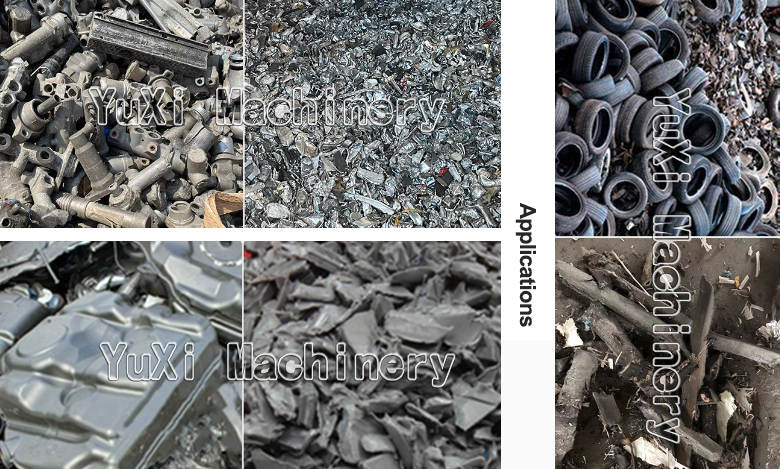
Multi-Material Capability: Verify that the machine is rated for metal waste (household appliances, steel), used tires (car and construction machinery), and industrial waste (wood, paper mill waste).
Hazardous Waste Compliance: If your facility handles hazardous materials, ensure the shredder meets environmental protection standards for compliant treatment.
5. Maintenance and Longevity
Cost-per-ton is heavily influenced by how often you replace parts.
Regrindable Blades: High-quality blades should be capable of being ground multiple times to lower maintenance costs.
User Interface: A touch-screen human-machine interface (HMI) is no longer a luxury—it is an essential tool for intuitive monitoring and customizable programming based on the specific material you are crushing that day.
Engineering Checklist for Buyers:
Power Source: Is it equipped with a powerful diesel engine for off-grid or high-demand locations?
Shaft Design: Is the blade arrangement optimized for your specific material density?
Output Control: Does the unit feature a screen for precise discharge size control?
Are you dealing with materials that stall your current electric shredders? Transitioning to a high-torque hydraulic system can drastically reduce your processing costs and enhance your resource value. Contact the Yuxi engineering team for a 30-minute technical reply or a custom 24H design proposal at +86 13674998188.
Would you like me to compare the energy consumption profiles of hydraulic versus electric shredders for your specific tonnage requirements?
Speak To Our Shredder Machine Expert
Get in touch with our nice team today to get a price estimate for a shredder machine.

 English